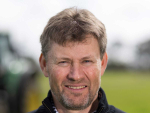
Mark Hooper Joins NZPork Board as Independent Director
Rural leader Mark Hooper has been appointed as an independent director to the NZPork board, bringing extensive farming, governance and advocacy experience to the role.
 increase font size
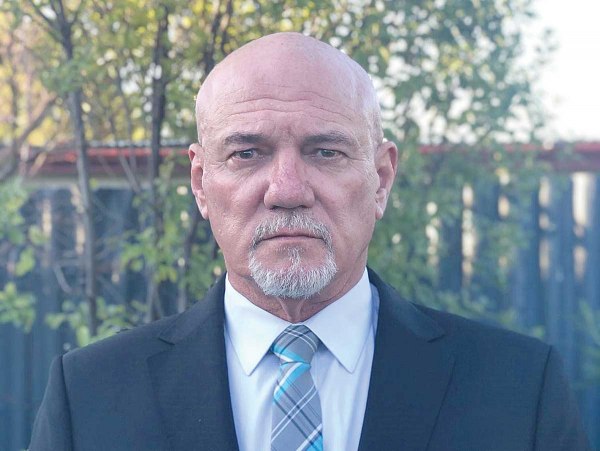 Gary Orr.
The Ministry for Primary Industries’ head of compliance says a lack of a viable succession plan with some older farmers is leading to animal welfare issues on some farms.
Gary Orr says this trend is showing up in some of the animal welfare issues that MPI has dealt with in recent years.
He says a couple have worked hard all their life to build up a farming business, but often the next generation is not interested in taking over the business. He says the couple are not keen to walk away from farm life because it is part of their DNA and they have put their life into the property.
“They have a strong connection to the land and they try to soldier on to a stage when the farming challenges are beyond them and that’s when they get into trouble,” he told Dairy News.
“We have had a few cases in recent time where we have been working with people in those circumstances trying to correct the course they were on. Sadly we haven’t been able to affect changes on the farm and we have ended up having to put them before the court, which is a really tragic situation,” he says.
Orr says such people have been law abiding citizens all their life and the last thing we want is to end their farming career with a conviction.
Despite the best efforts of MPI and rural professionals, there are still a number of breaches of the animal welfare code and regulations and Orr says farmers need to be held to account for treating their animals properly and conform to best practice standards.
He says if MPI comes across a situation where farmers are ill-treating their animals they will try and work with a farmer to get them to put the situation right. He says they will arrange for a veterinarian or farm advisor to help an individual. They may also issue a notice of direction under the animal welfare act.
“We only prosecute if the situation requires it, with people failing to comply with warnings or if the abuse is so wilful and of such a significant nature that it’s in the public interest to do so. At the end of the day it’s all about the welfare of the animals – we want to see the animals treated ethically and lawfully so long as they are on a farm,” he says.
Many reasons
Gary Orr says there are many reasons why animals are ill-treated on farms. Some is just bad practice, but often there are other personal issues in the background such as domestic relationships.
Compliance and meeting regulations are also factors, but he says the issue of Covid-19 has not appeared as a major issue. He also points out that farming can be a very lonely business.
“As you know there are communities where there is a limited ability to interact with peers and lots of these people come from a generation where you don’t ask for help. So we work very closely with the Rural Support Trust when we are involved in an animal welfare situation to try and get help for individuals. The Trust can help these people while we focus on the wellbeing of the animals,” he says.
On average MPI receives about 900 complaints related to animal welfare issues each year. But Orr says a significant number of these come from city folk who have moved to rural areas and who don’t have an understanding of normal animal husbandry practices.
“People from urban areas often see farming through a different lens. For example, we have had complaints about farmers letting their sheep have their lambs in the rain and the people who complained couldn’t understand why farmers weren’t out there getting the lambs under cover,” he says.
Orr says while many of the complaints are well intentioned but not valid, he’d still prefer for people to contact the ministry if they see something they are not sure about rather than not report an activity. He says animals are a valuable asset to farmers and they invest a lot of time and money in them and not to look after them properly simply doesn’t make sense.
Rural leader Mark Hooper has been appointed as an independent director to the NZPork board, bringing extensive farming, governance and advocacy experience to the role.
Climate, nature and animal wellbeing make up Fonterra's refreshed sustainability roadmap released last week.
B+LNZ's Wormwise veterinarian Mary Bowron has won the Best Sheep and Beef Vet of the Year Award in recognition of her outstanding contribution to New Zealand’s sheep and beef sector.
With lambing underway in many regions, Beef + Lamb New Zealand is encouraging farmers to put together a wellequipped lambing kit to help minimise lamb losses, particularly in bad weather.
Testing confirms H5 bird flu in a single northern giant petrel, found dead on a remote Cape Palliser beach in the Wairarapa, says Dr Mary van Andel, the Ministry for Primary Industries' (MPI) Chief Veterinary Officer.
DairyNZ deputy chair Cameron Henderson has been re-appointed unopposed for another term.
Farms across the upper North Island are trialling different pasture mixes as part of a research programme that aims to build greater resilience into farming systems.
Election years are always a concerning time for farmers, according to DairyNZ chair Tracy Brown.
The Ballance Farm Environment Awards are coming to the West Coast of the South Island.
Most dairy regions around the country have had a pretty good season so far says Tracy Brown.