Fonterra FY26 Results: $9.69 Milk Price, $3.4bn Profit
Fonterra has unveiled its annual results for the 2026 financial year, posting $27 billion in revenue and close to $20 billion returned to New Zealand farmer owners and unit holders.
 increase font size
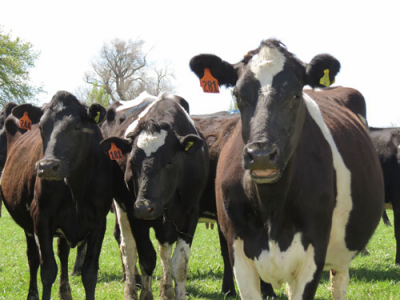 Fonterra's December milk collection was down 4.8%.
Fonterra's December milk collection was down 4.8% versus the same month in 2015.
In the North Island, milk collection was down 6% year-on-year, while milk collection in the South Island fell 2.9% for the month, according to My Farm agri global report for January.
Meanwhile, while consistent rain and low summer temperatures have kept grass green and growing in most parts of the North Island, though dry conditions prevail in Northland and Hawke’s Bay.
In Northland cows are being milked on supplements with the region reportedly at its driest for 10 years, affecting production.
However, pastures in the South Island are much greener, as a mild summer has created excellent conditions for grass growth.
In North Canterbury, farms have moved out of the drought, however in Southland rain, warmth and sunlight have all tracked below normal in recent weeks, putting pressure on pasture.
But palm kernel expeller (PKE) imports have tanked, accord to the report.
During the first 11 months of 2016, PKE imports declined 29% versus the same period in 2015 to 1.36mt.
On this basis, PKE imports in 2016 were the lowest since 2012 (1.16mt), suggesting plentiful local stocks as a result of strong purchases during late 2015 and early 2016, and reduced supplement use in the prevailing low farmgate price environment.
Fonterra has unveiled its annual results for the 2026 financial year, posting $27 billion in revenue and close to $20 billion returned to New Zealand farmer owners and unit holders.
Fonterra Co-operative Group has confirmed the independently assessed candidates standing for election to its board in 2026.
Fonterra has revised its Farmgate Milk Price forecast for the 2026/27 season, lifting the midpoint and narrowing the range on the back of improving global dairy commodity prices.
Outgoing Fonterra Co-operative Council chair John Stevenson says that it has been a privilege to represent the co-op's farmer shareholders.
OPINION: It seems Canterbury processor Synlait is still in the doldrums.



Federated Farmers says it welcomes Labour's commitment to reviewing the Sharemilking Agreements Act, calling on other major parties to do the same.
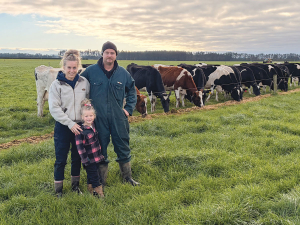
For Canterbury dairy farmers Sian Meijer and Rick Wobben, wearable technology has become one of their most valuable on-farm tools - helping manage 1850 cows across an expansive, high-performing dairy operation while improving efficiency, mating outcomes and day-to-day decision making.
Fonterra has unveiled its annual results for the 2026 financial year, posting $27 billion in revenue and close to $20 billion returned to New Zealand farmer owners and unit holders.
The first major update to the Dairy Cattle Code of Welfare in more than a decade has been released, marking what DairyNZ describes as an important step in ensuring animal welfare standards continue to evolve alongside scientific evidence and on-farm realities.
Ravensdown shareholders have elected Jane Montgomery and Kate Acland to the Ravensdown Board for three-year terms, following a closely contested director election.
Federated Farmers says new legislation replacing the Resource Management Act will cut red tape, unlock investment and help grow New Zealand's export-led economy, after the Planning Bill and Natural Environment Bill passed their third reading in Parliament yesterday.