New Dairy Holdings CEO Backs Self-Contained Model
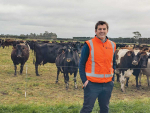
Running a tight and self-contained ship is the key to the success of the country's largest dairy farmer, says Blair Robinson, the new man at the helm of Dairy Holdings.
 increase font size
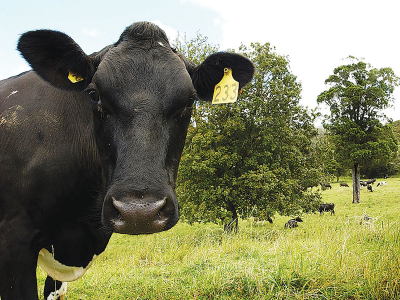 MPI has paid out over $124 million in compensation for M. bovis.
The latest figures from the Ministry of Primary Industries still show a slow but steady increase in the total number of farms confirmed as infected with Mycoplasma bovis.
The number of farms under suspicion has also increased recently.
In its second update of the year, dated January 15, the Ministry of Primary Industries (MPI) said 242 farms were under active surveillance.
Five days prior, in MPI's first update of the year on January 10, 228 farms were under active surveillance.
That number was lower than it had ever been since MPI introduced new reporting and management categories last April. 254 were recorded as being under surveillance at that time.
Meanwhile, 202 farms are under a Notice of Direction (NOD), under which movement controls are in place and testing is underway, either because the farm may have received an infected animal or it has recorded a positive bulk milk test. That figure is also continuing a decline since highs of more than 300 around September and October.
As of January 15, there have been 220 confirmed cases of the disease, up by six since the final 2019 official update just before Christmas. 167 are in the South Island and 53 in the North Island. Of these, 195 properties have been cleared while 25 remain active.
MPI has paid out over $124 million in compensation. Over 1500 claims were paid and completed: 123 claims were being processed, and MPI said new claims were being paid within 23 working days, on average.
Running a tight and self-contained ship is the key to the success of the country's largest dairy farmer, says Blair Robinson, the new man at the helm of Dairy Holdings.

OPINION: It's no surprise that "world-class biosecurity" continues to dominate as the top priority for agribusiness leaders, holding the number one spot for the 16th consecutive year in KPMG's latest agribusiness report.
Compensation assistance for farmers impacted by Mycoplama bovis is being wound up.
New Zealand's world-first Mycoplasma bovis eradication programme is making great strides but this isn't the time for complacency, says Ospri.
A national pest management plan to eradicate Mycoplasma bovis (M. bovis) will come into effect by the end of this year.


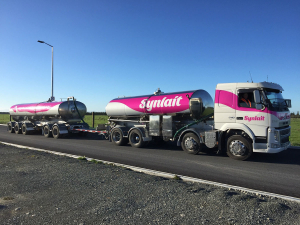
Synlait has swung to second-half profit as operations stabilise, but the dairy processor still posted a $75.4m annual loss.

LIC shareholders have elected a new North Island representative to the co-operative's Board, along with five representatives to its Shareholder Reference Group (SRG), following the company's Annual Meeting held in Invercargill.
Farmers across parts of Southland and South Otago are continuing to deal with difficult conditions after a prolonged run of wet weather, with pressure building around feed supply, stock management, pasture damage, farm infrastructure and everyday workloads.
Federated Farmers says it welcomes Labour's commitment to reviewing the Sharemilking Agreements Act, calling on other major parties to do the same.
For Canterbury dairy farmers Sian Meijer and Rick Wobben, wearable technology has become one of their most valuable on-farm tools - helping manage 1850 cows across an expansive, high-performing dairy operation while improving efficiency, mating outcomes and day-to-day decision making.
Fonterra has unveiled its annual results for the 2026 financial year, posting $27 billion in revenue and close to $20 billion returned to New Zealand farmer owners and unit holders.