Fonterra CFO Andrew Murray Resigns
Fonterra Co-operative Group chief financial officer Andrew Murray has resigned to take up a role outside the dairy giant.
 increase font size
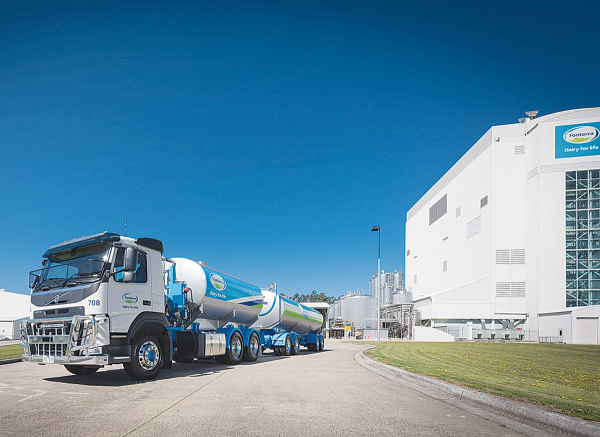 Fonterra Australia is lifting its decarbonisation targets.
Fonterra Australia is lifting its decarbonisation ambition with a new Scope 1 and 2 emissions reduction target.
After previously committing to a 30% carbon emissions reduction by 2030, last month that target was increased to 50% carbon emission reduction by 2030.
Speaking of the commitment, Jack Holden, general manager sustainability, Fonterra Global Markets, says that Fonterra Australia had made great progress towards the 30% reduction target previously set, and it was a good time to lift its ambition.
"In Australia, Fonterra reached a 30% reduction in carbon emissions in FY22, and we are on track to hold this performance for FY23. We have great confidence in our ability to reduce our carbon emissions further and have increased our target to a 50% reduction by 2030," Holden says.
Fonterra Australia remains committed to making a positive, sustainable difference to reducing its impact on climate change, he adds.
"We know we have more to do to decarbonise our business and delivering on our targets. This will make us a stronger business and it is consistent with what customers are asking of us," Holden says.
Fonterra is using the Science Based Target Initiative (SBTI) as the framework to set its emission reduction targets. Fonterra Australia is also supportive of the Australian Dairy Industry Framework's overall target of 30% intensity reduction by 2030 across the whole supply chain of farms and factories.
Fonterra Co-operative Group chief financial officer Andrew Murray has resigned to take up a role outside the dairy giant.

Four candidates have been confirmed for two director positions on Fonterra’s board.
A record farmgate milk price and strong global demand is laying the foundation for continued growth of organic dairy farming in New Zealand.
Waikato milk processor Tatua has again declared a record milk payout to farmer shareholders, leaving other processors in the dust.
Fonterra has unveiled its annual results for the 2026 financial year, posting $27 billion in revenue and close to $20 billion returned to New Zealand farmer owners and unit holders.


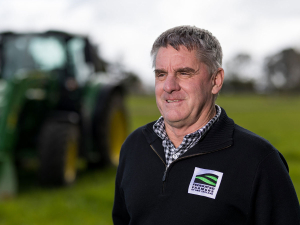
National’s pledge to introduce 19 new national standards shows the party is serious about getting Wellington out of farming, Federated Farmers says.
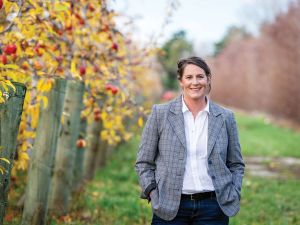
The National Party’s policies to make it easier to grow fresh vegetables, secure reliable water and energy and simplify farm planning are practical changes that will give growers the confidence to invest, according to Horticulture New Zealand (HortNZ).
Fonterra Co-operative Group chief financial officer Andrew Murray has resigned to take up a role outside the dairy giant.
A major move is about to get underway to improve the quality and viability of dairy beef and cattle in NZ.
Veterinarians say changes to the code of welfare for dairy cattle provides a positive foundation for improved cattle welfare across the country.
Today, 15 October, is the International Day of Rural Women, which recognises rural women’s contribution to farming, communities and the environment.