International Day of Rural Women: Two DairyNZ Farmers’ Stories
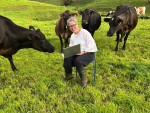
Today, 15 October, is the International Day of Rural Women, which recognises rural women’s contribution to farming, communities and the environment.
 increase font size
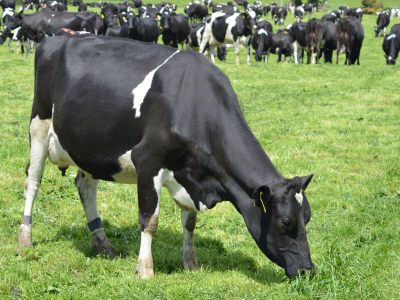
DairyNZ says it is hearing of several cases of nitrate poisoning in the Waikato region, with several cow deaths.
Nitrate poisoning is caused by high nitrate levels in feed and usually occurs in late autumn or winter, particularly during a flush of growth after a dry period.
In an email to Waikato farmers, DairyNZ regional leader Waikato Wilma Foster outlined key factors to reduce of nitrate poisoning in herds.
• Test grass for nitrate levels – you can get kits from your local vet clinic. Test each break.
• Feed supplement first before feeding high nitrate feeds – this reduces the eating speed of cows.
• Feed ‘at risk’ pastures/crops in the afternoon on a sunny day – sunshine helps break down the nitrate levels, avoid these paddocks on cloudy days.
• Check the animals 1-2 hours after you put them on a new break.
• Call a veterinarian at the first signs of trouble.
Today, 15 October, is the International Day of Rural Women, which recognises rural women’s contribution to farming, communities and the environment.
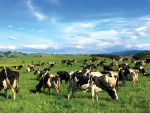
The first major update to the Dairy Cattle Code of Welfare in more than a decade has been released, marking what DairyNZ describes as an important step in ensuring animal welfare standards continue to evolve alongside scientific evidence and on-farm realities.
Have a plan in place for your cows and staff.
DairyNZ deputy chair Cameron Henderson has been re-appointed unopposed for another term.
OPINION: The stats speak for themselves.


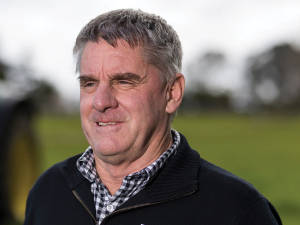
Federated Farmers has welcomed new rural policies released by ACT, saying they align closely with its own election priorities.

Rural Contractors NZ says proposed changes to land transport rules for agricultural vehicles are a welcome response by the Government to out of date regulations which have seen members hit with huge fines.
Alliance is calling for final applications for its 2027 Graduate Programme, with applications closing on Sunday 25 October.
Decades piloting planes has ensured vet and farmer David Hayes is focused on safety. So, after a serious accident while welding on farm, he is sharing his experience so others can learn from it.
Canterbury milk processor, Synlait Milk has confirmed Leon Fung as its chief executive officer.
OPINION: Making it easier to collect rainwater and use it to grow crops and livestock is a no brainer.