Federated Farmers Praises Labour's Emissions Tax Backdown
For the first time in a quarter of a century, Federated Farmers has something positive to say about the Labour Party’s climate change policy leading into a general election.
 increase font size
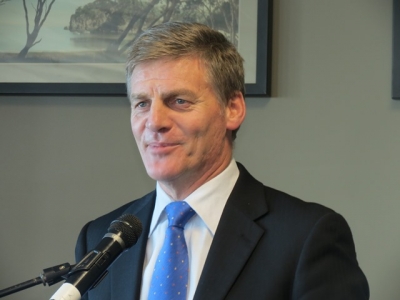
The Government will not stifle the growth of the dairy industry to limit its impact on the environment, says Deputy Prime Minister Bill English.
He says stopping the industry growing would be the easy solution but the Government is not keen on going down that path.
"As the political wind changes, you might end up with easy solutions," he told DairyNZ's Farmers Forum in Hamilton.
"We are picking the hard road."
Overall there will be environmental constraints and in some places they will bite but not everywhere.
English believes that there are significant enough changes in farming practices allowing farmers to be profitable and more productive with lower nitrates.
For the first time in a quarter of a century, Federated Farmers has something positive to say about the Labour Party’s climate change policy leading into a general election.
DairyNZ deputy chair Cameron Henderson has been re-appointed unopposed for another term.
Climate, nature and animal wellbeing make up Fonterra's refreshed sustainability roadmap released last week.
Tatua Co-operative Dairy Company has confirmed that chair and director Stephen Allen will retire at the co-operative's annual general meeting (AGM) on 3 December 2026, ending 30 years of service, including more than 20 years as Chair.
A new company set up to cultivate and supply seaweed for animal methane mitigation studies believes it could be a game changer for the dairy industry.


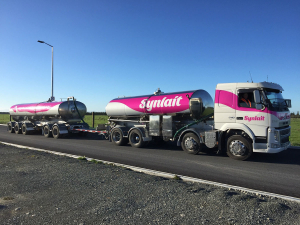
Synlait has swung to second-half profit as operations stabilise, but the dairy processor still posted a $75.4m annual loss.
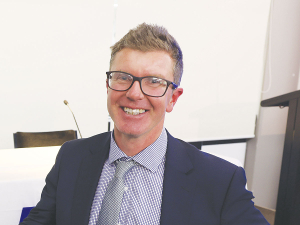
LIC shareholders have elected a new North Island representative to the co-operative's Board, along with five representatives to its Shareholder Reference Group (SRG), following the company's Annual Meeting held in Invercargill.
Farmers across parts of Southland and South Otago are continuing to deal with difficult conditions after a prolonged run of wet weather, with pressure building around feed supply, stock management, pasture damage, farm infrastructure and everyday workloads.
Federated Farmers says it welcomes Labour's commitment to reviewing the Sharemilking Agreements Act, calling on other major parties to do the same.
For Canterbury dairy farmers Sian Meijer and Rick Wobben, wearable technology has become one of their most valuable on-farm tools - helping manage 1850 cows across an expansive, high-performing dairy operation while improving efficiency, mating outcomes and day-to-day decision making.
Fonterra has unveiled its annual results for the 2026 financial year, posting $27 billion in revenue and close to $20 billion returned to New Zealand farmer owners and unit holders.