OPINION: Managing our dairy sector's impacts inevitably attracts a range of views. Should we do more, less or stay the same? We produce the lowest emissions dairy products in the world, so why do more?
When it comes to change and regulation, there's certainly no perfect fit for all, especially with such diverse farm systems and farmers. Ultimately though, we are all challenged by new rules and what they should or shouldn't be.
Our dairy product is the most efficiently produced in the world - we have plenty to be proud of. New Zealand's agricultural emissions have stabilised and always-improving farm practices means we are 25 percent more emissions efficient at producing dairy than we were in 1990.
But, like all high performers, we must continue to evolve. The bar gets ever higher due to increasing competition and evolving consumer and community demands.
We are the best place in the world to be dairy farming and DairyNZ research has shown it. We want consumers to have the world's most sustainable milk.
Why the split gas approach matters
Industry bodies pushed hard for the split gas approach (managing methane separately from other gases) under the Zero Carbon Act.
This was the culmination of many, many years of advocacy.
That advocacy saw the Government listen. The split-gas approach is a science-based target that recognises biogenic methane impact to carbon dioxide - its shorter lifespan means net zero is unnecessary.
2050 goals continut to be debated
The 2050 target to reduce methane 24-47 percent below 2017 levels is not supported by DairyNZ, Beef+Lamb NZ and Federated Farmers, as in our view they are not science-based targets. This 2050 target will also be reviewed by the Climate Change Commission during five yearly reviews.
Meanwhile we support farmers to make initial reductions toward the 2030 target and we continue to challenge government over the 2050 target.
We are also advocating hard for regular reviews based on any science, economic or other developments. We are pushing for investment into R&D because, while farm practice changes help, we also need new technologies.
On the farm, He Waka Eke Noa will help us. This partnership between the primary sector, Government and Māori will support farmers and growers to measure, manage and reduce emissions.
Its design will recognise sequestration, recognise methane's target and get funds back into the sector to support change. In the next six months we will present options to farmers on He Waka Eke Noa and seek your feedback.
He Waka Eke Noa and programmes like DairyNZ's Step Change are geared at supporting farmers.
Farmers are renowned for their ability to adapt - and we will again. Changes can be made over time, sensibly and with the right tools. Pushing climate progress down the track would leave us unprepared and at risk.
Farming for the future
As a sector, we have to accept our emissions, their impact, the need to reduce, and that farm practices can adapt.
Strong international and domestic pressure remains. We also need to maintain our international brand's credibility and competitive edge.
While we continue to push for regular reviews, we also need the Government to deliver a credible emissions reduction plan for New Zealand - and solid investment in tools and solutions to back up the targets. All gases must do their part in meeting New Zealand's commitments. That is crucial.
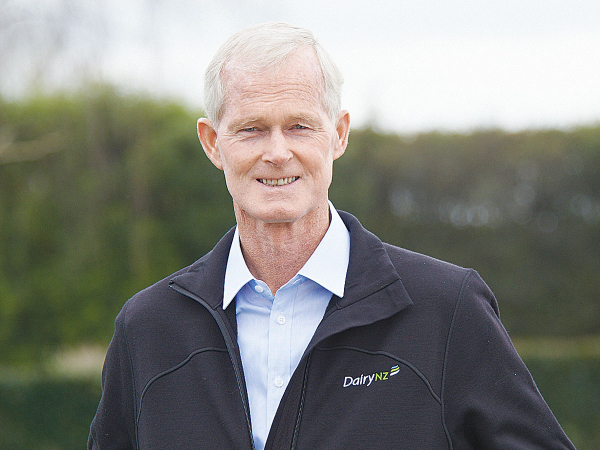
Jim van der Poel is DairyNZ chairman.