fbpx
Print this page
Monday, 19 October 2015 16:49

Getting more from chopped maize

Written by 

Maize silage has long been critical to livestock farmers' conservation choice for winter feed, so it's no surprise to see harvester manufacturers looking at new ways to make the crop more productive.

In the early days the crop needed to be cut extremely short to ensure all the kernels were cracked and digestible, then the corn cracker systems of the late 1980s allowed an increase in crop length, while achieving the same result.

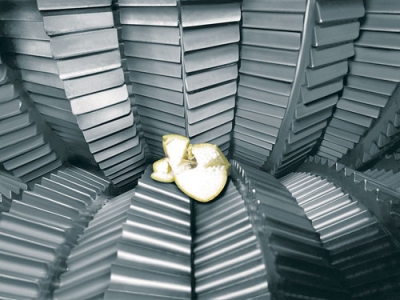
A silver medal will go to Claas at Agritechnica in Germany in mid November for its recently launched MCC Max maize silage conditioning system for its Jaguar range of self-propelled forage harvesters.

Using a pair of rollers with a saw tooth profile and 30 angular segments, the system combines friction, cutting and shearing to intensively condition the grains and release the maximum amount of digestible starches (which increase energy levels), as well as shredding the stalk material at chop lengths up to 22mm.

This can increase feed value, and there advantages in the ensiling process, not least by achieving better levels of consolidation at longer chop lengths.

Surplus maize silage could find buyers in the burgeoning AD gas production industry from a common silage clamp.

www.claasharvestcentre.co.nz 

More like this

New CLAAS Swath Turner Fixes Twin-Rotor's Blind Spot

Twin rotor swathers have become the ‘go-to’ for forming swaths to feed hungry harvesters and balers, however, the design layout often means that crop located between the two rotors is not picked up, turned over or incorporated into the swath formed for subsequent harvesting.

Featured

Southland Farmers Face Wet Weather Toll, Support Available

Farmers across parts of Southland and South Otago are continuing to deal with difficult conditions after a prolonged run of wet weather, with pressure building around feed supply, stock management, pasture damage, farm infrastructure and everyday workloads.

How Wearable Tech Powers This 1,850-Cow Dairy Farm

For Canterbury dairy farmers Sian Meijer and Rick Wobben, wearable technology has become one of their most valuable on-farm tools - helping manage 1850 cows across an expansive, high-performing dairy operation while improving efficiency, mating outcomes and day-to-day decision making.

New Dairy Welfare Code Released, Takes Effect 2027

The first major update to the Dairy Cattle Code of Welfare in more than a decade has been released, marking what DairyNZ describes as an important step in ensuring animal welfare standards continue to evolve alongside scientific evidence and on-farm realities.

National

Machinery & Products