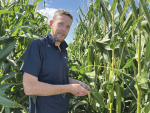
Fall Armyworm in NZ Maize: Four Years of Research
Four years since it was first detected in New Zealand, researchers and growers now know much more about management of maize pest fall armyworm (FAW).




 increase font size
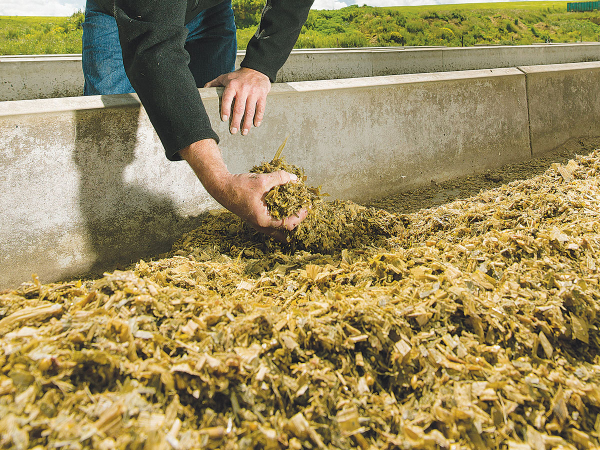 Now is the time to lock in your maize silage procurement strategy.
I recently had the pleasure of attending an AgFirst event in Hamilton where the results of the 2024-25 Waikato-Bay of Plenty Dairy Financial Survey were shared. Based on a 136ha farm milking 379 cows, average farm profit before tax was $405,892, an incredible 286% increase on the 23-24 season.
The session also provided an outlook for 25-26, which confirmed what many have been sensing: a profitable season lies ahead. With the milk price forecast sitting at $10/kgMS, improved cash flow and lower interest rates, farmer sentiment is optimistic.
But confidence alone won’t feed cows. Feed reserves are tight across much of the country. Now is the time to lock in your maize silage procurement strategy. Whether you’re planning to grow maize onfarm and/or buy it in, early planning will give you more flexibility and ensure you are well placed to take advantage of this season’s positive economic outlook.
Feed budget first
Regardless of whether you’re growing or buying, a basic feed budget is a good starting point. Understanding how much feed is needed to fill the seasonal deficits on your farm is essential, particularly with less surplus in reserve carried forward from last season.
Plan to carry a buffer of maize silage
The big problem with feed budgets is that they rely on average pasture growth rates, and half the time, pasture growth rates are below average. The most resilient farm systems I have seen, carry a buffer of additional maize silage in stock. There are several benefits of doing this:
If pasture growth rates are below average, you still have enough feed to ensure cows are well fed.
In periods of extreme shortages, you are not waiting for feed deliveries, which can be hampered by the supply of feed and/or trucking capacity.
The starch digestibility of maize silage increases in the stack.
It is more efficient to have a buffer so that you do not have to feed maize silage immediately after harvest.
Maize silage, when well-compacted, covered, and sealed, will maintain its quality for several seasons.
Tight feed reserves, strong demand
Last season’s prolonged summer dry in the North Island and cooler winter conditions in the South Island means many farmers have worked through their feed reserves. Without a strong spring and a good pasture silage harvest, they may head into summer with little onfarm supplement. So, there’s more pressure than ever to get this season’s feed strategy locked in early.
The Pioneer team are reporting strong demand for maize silage this season, and that demand could catch late buyers off guard, particularly those relying on the spot market.
If you’re planning to buy silage, now is the time to talk with your contractor or grower to confirm availability. Delaying those conversations may leave you scrambling later or paying a premium when demand increases.
Growing on farm? Don't delay
For those choosing to grow maize on farm, it’s equally important to start planning now.
That means determining the appropriate area required, identifying paddocks, and beginning any remedial actions needed for a successful crop. This includes addressing soil fertility, and possible preplanting fertiliser and/or effluent applications.
Maize remains one of the most cost-effective feeds to grow, but the best results are achieved when the crop is wellplanned and established under the right conditions.
Growing maize on effluent areas not only helps manage excess nutrients but can also produce feed for as little as 16-22c per kg drymatter.
Flexibility for uncertain weather events
Building some feed certainty into your system will put you in good shape to manage any weather challenges thrown at you during the season.
As weather patterns become more volatile, having a stored, highenergy feed like maize silage in your system provides flexibility. It offers support during dry spells, helps extend lactation, and reduces pressure on autumn pastures.
This season presents an opportunity to capitalise on strong economic signals, but that only happens when you’re prepared.
Your next step
Whether you’re growing or buying, the earlier you plan, the more control you’ll have. Talk to your grower, contractor or Pioneer area manager now to secure your feed and avoid the scramble later.
Wade Bell is Genetic Technologies farm systems manager. Contact him at This email address is being protected from spambots. You need JavaScript enabled to view it.
Four years since it was first detected in New Zealand, researchers and growers now know much more about management of maize pest fall armyworm (FAW).
The transition period (typically defined as the three weeks prior to and the three weeks immediately after calving) sets the biological and productive trajectory for the entire lactation by determining how well the cow adapts from pregnancy to peak milk production.
As spring calving cows head into dry-off, the priority shifts to one thing: setting cows up to calve at the target body condition score (BCS).
Early December marks a key transition for many dairy farmers, as weaned replacement heifers head off-farm to grazing.
With spring underway, maize growers across New Zealand are preparing for planting.


National’s pledge to introduce 19 new national standards shows the party is serious about getting Wellington out of farming, Federated Farmers says.
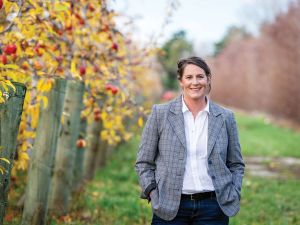
The National Party’s policies to make it easier to grow fresh vegetables, secure reliable water and energy and simplify farm planning are practical changes that will give growers the confidence to invest, according to Horticulture New Zealand (HortNZ).
Fonterra Co-operative Group chief financial officer Andrew Murray has resigned to take up a role outside the dairy giant.
A major move is about to get underway to improve the quality and viability of dairy beef and cattle in NZ.
Veterinarians say changes to the code of welfare for dairy cattle provides a positive foundation for improved cattle welfare across the country.
Today, 15 October, is the International Day of Rural Women, which recognises rural women’s contribution to farming, communities and the environment.


OPINION: It seems Canterbury processor Synlait is still in the doldrums.
OPINION: Get offside with New Zealand First leader Winston Peters at your own peril.




