PC1 Pause Looms as Coalition Targets Waikato Farm Rules
A pause on Waikato Regional Council's (WRC) plan change that sets new freshwater rules for farming could be announced in the coming weeks.
 increase font size
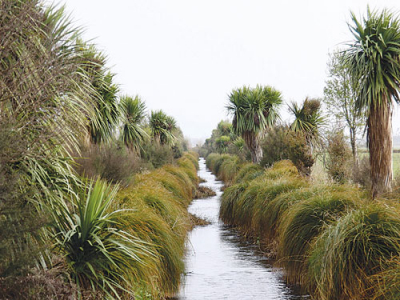 Well-built riparian margins keep contaminants out of waterways.
The age-old practice of building barriers is useful in the modern context of protecting Waikato’s waterways, especially as we collectively move to beef up our guardianship of lakes, rivers, streams and groundwater.
The National Policy Statement for Freshwater Management and related moves to change the regional plan also underpin other moves to further protect the waterways from contamination and degradation.
Well-built and planted riparian margins beside water bodies form a barrier that can help keep contaminants out. These margins -- strips of land adjacent to the water-bodies – can for example filter out sediments, bacteria and nutrients from farm run-off, especially those contained in animal dung and urine, and agricultural chemicals.
Pathogens like giardia and cryptosporidium can cause water-borne diseases, which in turn can cause serious health problems, while nitrates and phosphates can also create health disorders for people and stock, and contribute to algal growth.
Besides cleaner water generally, an important benefit of good riparian management is improved stock health because stock no longer get their drinking water from contaminated streams. And maintenance work may be lessened for water systems that draw from surface water.
Winter weather can place increased strain on the banks of farm waterways, increasing the risk of stream bank erosion threatening paddocks and affecting water quality. So its timely to look at the issues involved in erosion generally and land management practices that can contribute to contamination of waterways.
Some of our rivers, lakes and streams have eroding banks, silted beds, water weed infestation and reduced water quality as a result of the way the land is used. Land management practices – whether related to farming, forestry, roading or horticulture – can cause soil erosion and a build-up of contaminants in watercourses.
They include stock wading in water, poor cowshed effluent treatment, overgrazing, inappropriate fertiliser use, pugging and poor runoff control on cultivated land, and the building and use of roads and tracks: all these contribute to the contamination of water bodies, and all can be managed to reduce the risk of generating contaminants.
In addition to reducing the risks at source, good management of the banks of waterways -- with an appropriate and well-planted riparian margin -- can create a barrier between the farm system and the water body to help reduce negative effects by stabilising the banks and providing a filter for contaminants washing off the land.
Besides filtering out contaminants, riparian strips can increase farm biodiversity.
Careful selection of the mix of species planted within riparian areas makes it possible to beneficially modify what’s happening with light, temperature, nutrient and sediment loads, channel and bank stability, carbon inputs and habitat for terrestrial species.
Shrubs and trees with extensive root systems, which tolerate moist soil conditions and frequent silt deposits, are ideal for stream bank erosion control. They physically hold the stream banks together and some tree roots also protect the streambed, limiting the scouring effect of running water.
Streamside vegetation provides shade which cools the water, improves dissolved oxygen levels, helps aquatic life and reduces the risk of algal blooms.
Improved milk grades are documented where dairy sheds no longer draw water from contaminated streams. On sheep and beef properties, stock are in better health and have faster weight gain when water sources are no longer contaminated.
The regional council’s catchment management officers are available to provide advice on good riparian management.
• Bala Tikkisetty is a sustainable agriculture advisor at Waikato Regional Council. Contact him on 0800 800401 or email This email address is being protected from spambots. You need JavaScript enabled to view it.
A pause on Waikato Regional Council's (WRC) plan change that sets new freshwater rules for farming could be announced in the coming weeks.

OPINION: Staying on Plan Change 1, NZ First deputy leader Shane Jones took to social media to gain some political points.
OPINION: All eyes are on the Government as Waikato farmers seek urgent help to fend off the controversial Plan Change 1 (PC1), designed to manage nutrient discharges into waterways in the region.
Waikato farmers have been told that the Government’s new planning system legislation and the region’s Plan Change 1 (PC1) “won’t mesh together very well”.
The Government is looking at intervening on behalf of Waikato farmers who face new regulations around agricultural land use while Resource Management Act (RMA) reforms are underway.


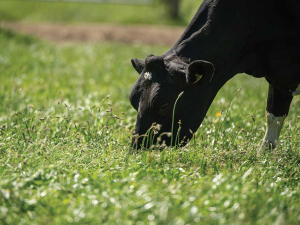
Farms across the upper North Island are trialling different pasture mixes as part of a research programme that aims to build greater resilience into farming systems.
Election years are always a concerning time for farmers, according to DairyNZ chair Tracy Brown.
The Ballance Farm Environment Awards are coming to the West Coast of the South Island.
Most dairy regions around the country have had a pretty good season so far says Tracy Brown.
Rural leader Mark Hooper has been appointed as an independent director to the NZPork board, bringing extensive farming, governance and advocacy experience to the role.