How Trace Minerals Support Dairy Cow Recovery Pre-Mating
By September, pre-mating heat recording is underway on many spring-calving dairy farms.
 increase font size
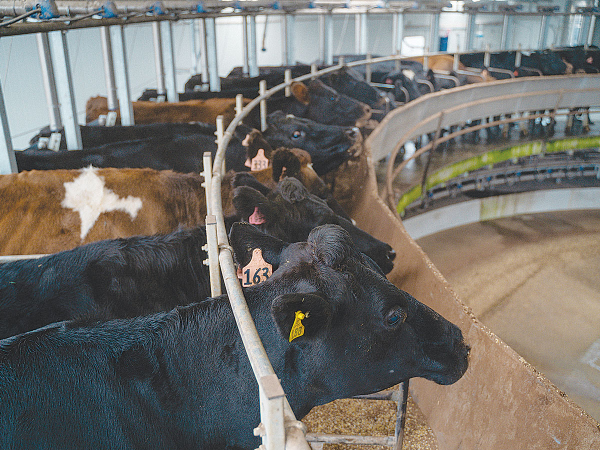 A well transitioned cow will normally produce more milk, have fewer disease issues, and a better reproductive outcome.
Making key decisions around feeding and supplementation for springer cows can have a bigger impact on a dairy farm’s profitability than any other single set of management decisions made throughout the rest of the season.
Both the period prior to calving and the period after calving are equally important to ensure a cow will produce at her potential. A well transitioned cow will normally produce more milk, have fewer disease issues, and a better reproductive outcome, than cows that don’t receive as much attention around this time.
A cow that is not transitioned correctly leading up to calving can suffer from clinical or subclinical metabolic disease leading to a host of issues that can last through next lactation.
This can be caused by a true calcium deficiency, or the limited ability to mobilise sufficient calcium, this can be further complicated by ketosis, fatty liver disease, or even a combination of these problems.
For any cow, this is a period of vast metabolic change. Their hormone levels are kicking into gear as the body gets ready to mobilise many of the key minerals required for calving and lactation, as well as preparing the body to mobilise the vast amounts of energy required. Transition is the single highest stress period a cow will experience each year.
A good transition diet will ensure that the transition cow receives at least minimum levels of calcium, phosphorous, and sodium, while magnesium and trace elements are also being well maintained. The pre-calving diet should also be as low in potassium as possible so as not to limit calcium uptake.
Cows will also most likely be low in at least some of the trace elements during this period, and unless addressed, a deficiency can negatively affect the capacity of the liver to metabolise the necessary energy levels required through calving and early lactation. Correct supplementation can be critically important at this time, especially if body storage levels of these required minerals are already low.
The simple process of correctly transitioning a cow throughout this period will ensure good blood calcium levels are maintained and a high rate of calcium mobilisation can be achieved throughout lactation. Research has consistently shown that cows with high blood levels of calcium during early lactation also have a higher neutrophil function (increased immunity). Over the years there has been a large body of research linking blood calcium levels with metritis, RFM’s, displaced abomasum’s and issues with poor reproductive performance, clearly showing the importance of achieving adequate blood calcium levels (>8,59 mg/dl) in dairy cows at key times.
Agvance Nutrition in association with your vet have the software tools to accurately calculate the ideal transition diets for your cows. We can build blends for both the pre-calving and post-calving periods, and we also offer free advice around correct feeding and management throughout this period.
Chris Balemi is Managing Director of Agvance Nutrition Limited
By September, pre-mating heat recording is underway on many spring-calving dairy farms.
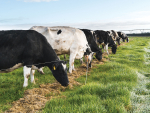
There's a common assumption that effective transition cow management is only practical for high-input farms, as controlled rations can make delivery simpler.
When a cow goes down after calving, it is easy to blame the calving itself. Milk fever, calving stress, poor weather, bad luck. Yet many down cows are not caused by one dramatic event. They are the end result of poorly transitioned cows entering calving under nutritional pressure.
The dry period isn’t just a farm holiday but a chance to get your herd match-fit for calving and early lactation. If you treat it as a focused phase of preparation, recovery and capacity building, you’ll see the benefits when the cows return to milk.
March often brings a useful mix of opportunity and risk on New Zealand dairy farms.

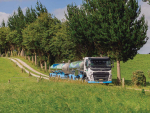
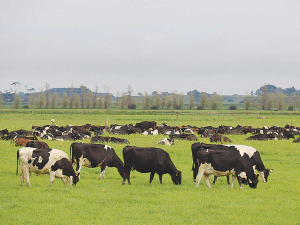
OPINION: New health and safety guidance unveiled by the Government recently provides farmers greater certainty about what is expected of them when managing risks on farm.
The National Animal Welfare Advisory Committee (NAWAC) is seeking public feedback on proposed changes to the Code of Welfare for Rodeos.
A New Zealand initiative supporting farmers to restore the health of grazing landscapes has received international backing through the Regenerative Fund for Nature, a global collaborative fund supporting regenerative agriculture and the communities that produce natural fibres for the fashion industry.
Combine premium New Zealand products, blend in a family ritual and what do you get? A world-class functional drink.
Entries are now open across eleven regions for the 2027 New Zealand Dairy Industry Awards (NZDIA).
Safer Farms is urging farmers to make sure everyone working on farm has safe, suitable footwear for the job.