Cameron Henderson Reappointed Unopposed as DairyNZ Deputy Chair
DairyNZ deputy chair Cameron Henderson has been re-appointed unopposed for another term.
 increase font size
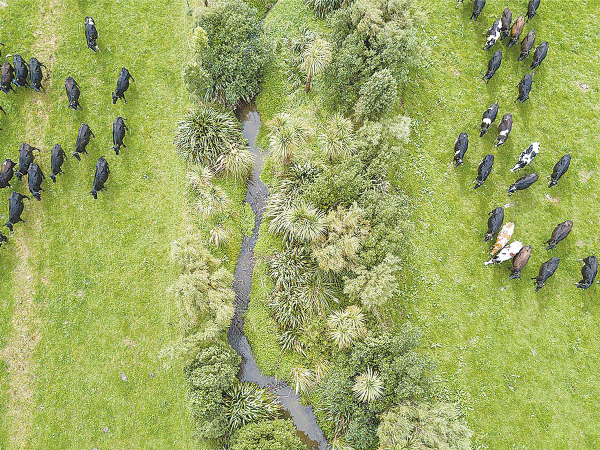 Managing fertiliser and feed use can help minimise losses to waterways.
DairyNZ has pulled together tactics that will help farmers improve on-farm efficiency and have positive benefits for the environment. These tactics are based on research, data, and lessons from leading farmers.
It says that every farm is different, so farmers are urged to take time to consider their options and find out what works best for their business.
Managing fertiliser and feed use can help minimise losses to waterways and improve the efficiency of pasture and crop production. These efficiency improvements may also reduce greenhouse gas emissions if the total feed eaten on-farm is decreased or production is increased from the same inputs.
DairyNZ deputy chair Cameron Henderson has been re-appointed unopposed for another term.
Farms across the upper North Island are trialling different pasture mixes as part of a research programme that aims to build greater resilience into farming systems.
Election years are always a concerning time for farmers, according to DairyNZ chair Tracy Brown.
Most dairy regions around the country have had a pretty good season so far says Tracy Brown.


Farmgate lamb prices are down by 8%, beef cattle by 4.5% and farm expenditure up by 4.2%.
Kiwifruit growers are watchful but remain optimistic as concerns around the potential effects of the El Niño weather pattern this season.
Almond hulls sourced from Australian orchards may have the potential to help New Zealand cows reduce emissions, boost milk yield and lower input costs.
Striking a balance between meeting the needs of industry to speed up approval time for products but on the other hand ensuring that risks are properly assessed.
Surprised, humbled and quite thrilled. That’s the reaction of James Allen, one of the founding partners and now chief executive of AgFirst, on being made a life member of the Institute of Rural Professionals.