Federated Farmers Praises Labour's Emissions Tax Backdown
For the first time in a quarter of a century, Federated Farmers has something positive to say about the Labour Party’s climate change policy leading into a general election.
 increase font size
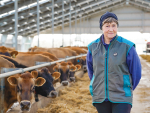
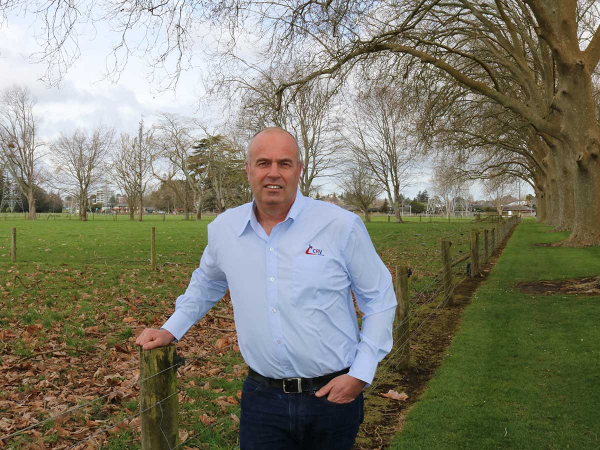 CRV managing director James Smallwood says genetics has been identified as a means of building a long-term solution to climate change.
Genetics will play a key role in helping dairy farmers meet climate targets at a herd level, while maintaining the highest quality milk production, says CRV managing director James Smallwood.
His comments come following the release of the Climate Change Commission's final report, which sets out a plan for New Zealand to reduce its emissions and become carbon neutral by 2050.
"Genetics has been identified as a means of building a long-term solution to climate change," says Smallwood.
"As an industry, if cow numbers are reduced farmers will need to improve efficiency per cow to ensure farming remains sustainable, both environmentally and economically.
"With technologies such as genomic testing, we can work with farmers to identify superior animals in their herds.
By combining this technology with precision breeding tools, such as sexed semen from elite bulls, farmers have an opportunity to accelerate their herd's genetic gain in animal efficiency."
Access to quality data is crucial for making smart herd management and breeding decisions.
Farmers can use the data captured on farm from herd testing, DNA testing and herd recording to identify the elite animals that possess traits they want in future dairy herds.
Herd management tools like CRV's myHERD mean all this data can be captured in one place and used to help breed efficient, more sustainable cows, says Smallwood.
He believes meeting the targets recommended in the report will be a big job for both farmers and industry and says they will need support and access to new tools in order to achieve them.
"The industry requires ongoing investment in research, such as the current methane genetic trials. Farmers need tools to be able to accurately measure, report and reduce the environmental footprint of their herd."
CRV's grass-fed genetics breeding programme in New Zealand, combined with the company's global presence and years of investment overseas and locally, means the company is well-positioned to help develop tools and solutions, he says.
CRV Netherlands has been investing in individual feed intake collection for several years and is making excellent progress in terms of giving farmers real tools to breed a herd that produces more milk with less feed.
"Consumers are demanding more information about the provenance of their food. From greenhouse gas emissions and carbon footprint to animal welfare, the spotlight is on New Zealand as a food producing nation.
"CRV has led the way in developing genetic solutions for breeding animals that are polled (hornless) and more tolerant to facial eczema and more efficient. We were also first to market with our sexed semen offering, which enables farmers to breed heifers from their best cows.
"There is no doubt these new targets are challenging, but they also present our dairy industry with an opportunity to step up and further strengthen our global competitive advantage. CRV is committed to working with farmers to do just that," says Smallwood.
For the first time in a quarter of a century, Federated Farmers has something positive to say about the Labour Party’s climate change policy leading into a general election.
Climate, nature and animal wellbeing make up Fonterra's refreshed sustainability roadmap released last week.
For Taupiri dairy farmers Logan and Sian Dawson, their involvement in the NZ Dairy Industry Awards has been a key catalyst in the growth of their business - the experience helping shape how they approach the farm ownership pathway they are pursuing today.
An LIC bull, Tronnoco AR Sadio-ET S3F, bred by Tony and Keri O'Connor of Tronnoco Farming Co Ltd near Timaru, has won the 2026 Mahoe Trophy.
I've written a series of articles for Rural News, starting with 'The Basics of Grazing', then 'Stock Handling', followed up by 'Evaluating Stock Condition'.


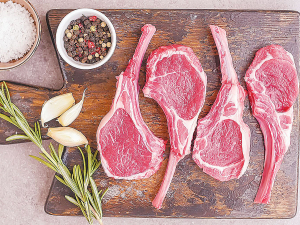
New Zealand's red meat and fifth-quarter exports reached $867 million in August, up 23% on the same month last year, as stronger returns lifted earnings across all major markets.

State farmer Pāmu is bracing for a $30 million hit from soaring farm input costs this financial year.
Flat pricing in the face of significant increases in costs is the greatest problem facing the arable sector, says Foundation for Arable Research (FAR) chief executive Dr Scott Champion.
Entries opened on Monday, 5 October 2026 for the 2027 New Zealand Dairy Industry Awards (NZDIA), which organisers describe as the nation's biggest celebration of excellence in the dairy sector.
Waikato milk processor Tatua has again declared a record milk payout to farmer shareholders, leaving other processors in the dust.
A Labour-led Government won’t be bringing back the controversial freshwater rules of 2020.