DairyNZ's Tracy Brown Flags El Nino Risk for Dairy Farms
Most dairy regions around the country have had a pretty good season so far says Tracy Brown.
 increase font size
 Carolyn Bushell DairyNZ
In response to the low milk price, DairyNZ is pulling together research, data and lessons learned in similar seasons to help farmers prepare for the 2015-16 season.
The ‘Tactics for Tight Times’ campaign includes field days offering ways to survive and thrive in a low payout season.
DairyNZ’s Carolyn Bushell says managing in a low milk price year is nothing new; some farmers do it better than others.
Some farmers operate low-cost farm systems and make a profit with a $5/kgMS farmgate milk price. There are lessons from their management that we can all learn from, Bushell says.
“Over the next few months, DairyNZ is… allowing farmers to share what works for them and options to remain profitable. We want all farmers to build strength into their businesses, rather than maintaining status quo in the hope of a milk price lift next season.”
DairyNZ analysis shows the industry is just within the long-term bounds of trends for average dairy company total payouts. If your farm can’t survive those, look closely at the whole farm operation and make changes.
First steps - understand your position
A focus on cost-effective production will maximise profitability in all seasons, even when the milk price forecast trends down. The first step is to get clarity on the business’s financial position.
Have a budget and projected cashflow, and update it regularly. If you don’t have one, talk to your accountant and/or bank manager, but be closely involved in its development. It is important to understand and ‘own’ your budget.
Take control and communicate your plan
1. Get clarity on your financial position
What is your starting point?
Calculate your break-even milk price - start with total income and subtract farm working expenses, debt servicing, drawings, tax and capital expenditure.
2. Create a plan - focus on what you can control
Assess your options. Step through expenses systematically and question every item. Will it give you a return? If not, can it wait? Spend a dollar to make $1.50, not the other way around. Will cutting costs have negative consequences next season?
Focus on cost-effectiveness, rather than just cost reduction, and keep the basics of good management in mind.
Do you use benchmarking tools? Talk to DairyBase or your accountant. Reports showing past physical or financial data helps identify past trends and where opportunities may exist.
Focus on principles of low cost of production, regardless of farm system or input level.
Maximise the amount of feed eaten from the dairy platform.
Closely match the herd’s feed demand to pasture growth, through feed budgeting and monitoring.
Ensure any purchased feed is economically assessed and aids good pasture management
3. Implement the plan and update it regularly
Identify those who can help you succeed in achieving your goals and utilise that support.
Communicate the plan well with employees and advisory team (banker, accountant, farm consultant, rural suppliers).
Continuously monitor results and make necessary adjustments ight times tactics
Tight times tactics
Assess the current state of your business. What is your starting point?
Understand your options and create a plan.
Execute the plan well; keep the basics of good management in mind.
Identify those who can help you succeed and use that support.
Communicate with partners, staff, bankers, accountants and other rural professionals.
Most dairy regions around the country have had a pretty good season so far says Tracy Brown.
Fonterra says its interim results show continued momentum in its performance, with revenue of $13.9 billion in the first half of the 2026 financial year.
A solid recovery of global dairy prices this year makes a $9.50/kgMS milk price almost a shoo-in for this season.
Fonterra has slashed another 50c off its milk price forecast as global milk flows shows no sign of easing.
A $10 milk price remains on the cards for this season despite recent softening of global dairy prices.



Seed and grain companies share the concerns of arable farmers about the viability of their sector, says Seed and Grain New Zealand chief executive Dr Sarah Clark.
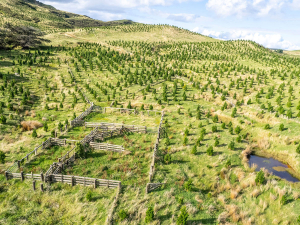
The New Zealand Institute of Forestry (NZIF) says unnecessary changes to New Zealand’s Emissions Trading Scheme (NZ ETS) will seriously erode investor confidence and result in significant reductions in forest planting rates.
For the first time in a quarter of a century, Federated Farmers has something positive to say about the Labour Party’s climate change policy leading into a general election.
A warning for New Zealand seed and grain companies – be prepared for an exodus of farmers from the arable sector.
Now in its fourth year, the 2026 Fencing Industry Awards, formed part of the proceedings of the FCANZ Conference, held in Nelson during August.
DairyNZ deputy chair Cameron Henderson has been re-appointed unopposed for another term.