Cameron Henderson Reappointed Unopposed as DairyNZ Deputy Chair
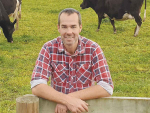
DairyNZ deputy chair Cameron Henderson has been re-appointed unopposed for another term.
 increase font size
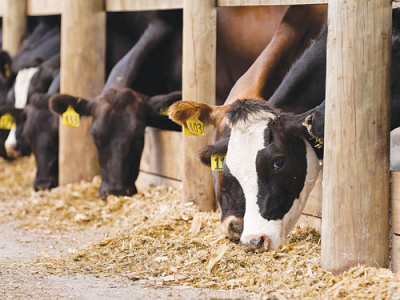 Inspect the feed before buying it.
Making your farm a ‘biosecurity island’ can help you protect your business sustainability.
Last month I compared farms in the DairyNZ Economic Farm Survey of the 2016-17 season.
The data, over time, has shown that high input farms have, on average, made more profit, had greater equity growth, had a higher return on assets and had lower term liabilities/kgMS.
While financial performance is important for business sustainability, the recent outbreak of M. bovis has highlighted the impact that a biosecurity breach can have on business sustainability. Farmers have moved swiftly to attend meetings and upskill themselves to deal with potential biosecurity outbreaks on their properties.
M. bovis, due to the efforts of MPI and other industry organisations, is unlikely to directly affect most of us. The actual effect of M. bovis is a huge wake-up call to farmers about biosecurity. Most of us had become very slack at averting the risk that bio-hazards (i.e. weeds, pests and diseases) could have on our systems. Because of M. bovis that has now changed.
Farmers face many biosecurity threats: cropping farmers face threats from, e.g. velvetleaf, alligator weed, Chilean needle grass or broomcorn millet. All these weeds (esp. velvetleaf) have enormous potential to undermine the sustainability of cropping. Here are some tips to reduce the chance of your farm becoming infected:
We have noticed that many farmers are moving to be completely self-contained feedwise by growing all their feed on land they control. This enables them to keep their cows at home over winter, so reducing the risk of cross infection.
The approach by dairy farmers in preventing new incursions of M. bovis is exactly the same as cropping farmers need to take, i.e. consider your farm an ‘island’ with you as the custom control officers.
Lastly, my heart goes out to all those farmers who have become innocent victims of the reckless behaviour of one individual. Hopefully, if we all remain vigilant, the chance of any further incursions of harmful substances will be greatly reduced.
• Ian Williams is a Pioneer forage specialist. Contact him at This email address is being protected from spambots. You need JavaScript enabled to view it.
DairyNZ deputy chair Cameron Henderson has been re-appointed unopposed for another term.
Farms across the upper North Island are trialling different pasture mixes as part of a research programme that aims to build greater resilience into farming systems.
Election years are always a concerning time for farmers, according to DairyNZ chair Tracy Brown.
Most dairy regions around the country have had a pretty good season so far says Tracy Brown.


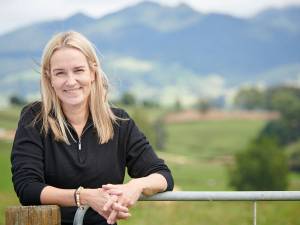
Minister of Conservation Hon Tama Potaka has appointed Susan O'Regan as Chair of the Queen Elizabeth II National Trust (QEII) for a three-year term.
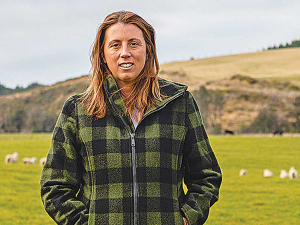
Red meat farmers are welcoming Labour’s plan to review the Emissions Trading Scheme and not to campaign on pricing agricultural emissions.
Where any worker in the kiwifruit industry is mistreated, we expect the authorities to take action.
Mid Canterbury Federated Farmers arable chair, Bevan Lill, said Beef + Lamb NZ data indicated that for the last six years, the average arable return on investment was about 0.8% while inflation ran about 4% - so the average arable farm was going backwards at about 3% a year.
Seed and grain companies share the concerns of arable farmers about the viability of their sector, says Seed and Grain New Zealand chief executive Dr Sarah Clark.
The New Zealand Institute of Forestry (NZIF) says unnecessary changes to New Zealand’s Emissions Trading Scheme (NZ ETS) will seriously erode investor confidence and result in significant reductions in forest planting rates.