PC1 Pause Looms as Coalition Targets Waikato Farm Rules
A pause on Waikato Regional Council's (WRC) plan change that sets new freshwater rules for farming could be announced in the coming weeks.
 increase font size
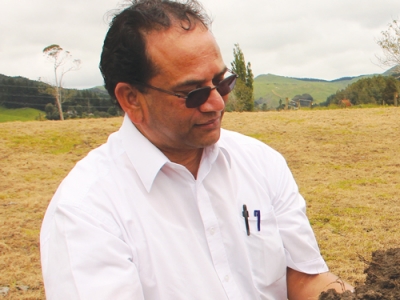 Bala Tikkisetty.
Good soils are at the heart of farming in Waikato.
Soil quality monitoring by Waikato Regional Council measures properties such as compaction, nutrient status, biological activity, soil carbon and organic matter at 152 sites. About 30 sites are sampled annually; they have a range of soils supporting various land uses.
The main soil quality issues identified are compaction, excessive phosphorous and nitrogen (N) on dairy and cropping land, and declining carbon, mainly on cropping land.
There is good news: some data trends suggest an improvement in some soil quality indicators, most likely the result of good land management by farmers.
But some measures in various areas are still causing concern, and improvements are needed: minimising human-induced soil erosion and maintaining good soil quality are essential for maintaining soil ‘ecosystem services’ such as nutrient and water buffering, productive capacity, assimilating waste, and reducing the effects of sediment and other contaminants on water bodies.
The transformation of ‘natural capital’ -- namely soil, plants and animals, air and water -- into resources people value and use is at the heart of what we mean by ‘ecosystem services’. The concept is gaining attention nationally as we see environmental pressure increasingly applied to resources, such as soil health, that we once took for granted.
A number of practices help support and improve our soils, and provide clear benefits:
There is also benefit in protecting farm wetlands, which deliver a wide range of ecosystem services such as improving water quality, flood regulation, coastal protection, and provide recreational opportunities and fish habitat.
An approach called ‘functional land management’ seeks to optimise the agronomic and environmental returns from land, relying on the various functions of soils. It focuses on soil functions specifically related to agricultural land use. They are:
New research is focussed on nutrient cycling in soil, such as the ability of soils to recycle N, carbon and phosphorus and how this can best be managed.
To reduce N leaching from soils, the research seeks to understand mechanisms for N retention in soil and how to manipulate soil processes to enhance de-nitrification. As soil microbes are the key agents for nutrient cycling, scientists are intent on determining the impacts of soil management on soil microbial activity.
Waikato Regional Council’s work with farmers to increase the understanding of soil ecosystems, to manage them better and to protect them is suggesting ways to improve water quality. They identify farming solutions and provide assessments of their effectiveness in managing various contaminants from farm land.
For more information see www.farmmenus.org.nz.
• Bala Tikkisetty is a sustainable agriculture advisor at Waikato Regional Council.
A pause on Waikato Regional Council's (WRC) plan change that sets new freshwater rules for farming could be announced in the coming weeks.

OPINION: Staying on Plan Change 1, NZ First deputy leader Shane Jones took to social media to gain some political points.
OPINION: All eyes are on the Government as Waikato farmers seek urgent help to fend off the controversial Plan Change 1 (PC1), designed to manage nutrient discharges into waterways in the region.
Waikato farmers have been told that the Government’s new planning system legislation and the region’s Plan Change 1 (PC1) “won’t mesh together very well”.
The Government is looking at intervening on behalf of Waikato farmers who face new regulations around agricultural land use while Resource Management Act (RMA) reforms are underway.

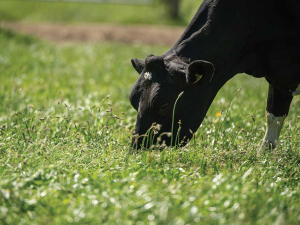
Farms across the upper North Island are trialling different pasture mixes as part of a research programme that aims to build greater resilience into farming systems.
Election years are always a concerning time for farmers, according to DairyNZ chair Tracy Brown.
The Ballance Farm Environment Awards are coming to the West Coast of the South Island.
Most dairy regions around the country have had a pretty good season so far says Tracy Brown.
Rural leader Mark Hooper has been appointed as an independent director to the NZPork board, bringing extensive farming, governance and advocacy experience to the role.