Ex-All Black Sam Whitelock Swaps Rugby for Dairy Farming
Returning to the family dairy farm after playing 20 years of professional rugby around the world is no easy task.
 increase font size
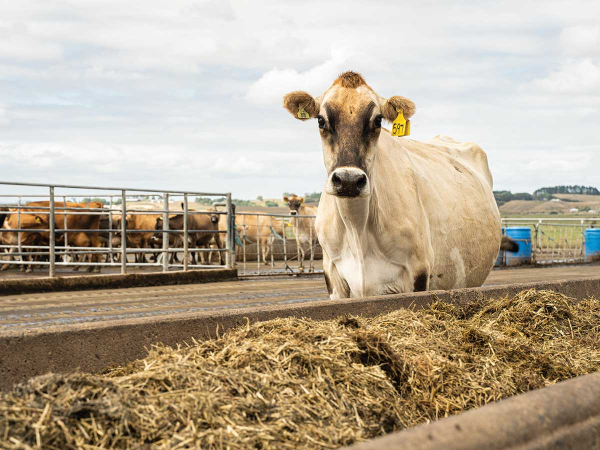 Cows that calve down in less-than-optimal conditions will often take longer to cycle.
By September, pre-mating heat recording is underway on many spring-calving dairy farms.
While the immediate focus is on cows that have not been seen in heat, the pattern across the herd can also show how many cows have resumed cycling after calving.
When fewer cows than expected are coming into heat, energy balance and body condition are usually the first things we look at. Cows that calve down in less-than-optimal condition will often take longer to cycle, especially when feed intake doesn’t keep up with milk production.
Minerals can’t correct an energy deficit, as feed intake still drives energy balance. But they do play a role in the metabolic, immune and reproductive processes cows rely on during recovery from calving and through early lactation.
Micro minerals such as zinc, copper, manganese, selenium, cobalt, iodine, boron and chromium are used in energy metabolism, immune function, tissue repair and antioxidant systems. The demand for these increases after calving, when we’re asking cows to increase their milk production as they recover from birth. This often forces them to draw on body reserves.
Research has found differences in how cows respond to trace mineral supplementation during this period. In one study of 273 dairy cows, older cows receiving chelated (organic) trace minerals had higher dry matter intake after calving than those receiving inorganic sources.
A related study found fewer cows with higher non-esterified fatty acids, or NEFA, in the group supplemented with organic trace minerals. High NEFA levels indicate greater mobilisation of body fat to meet energy demand. The same study also recorded fewer cows in the treatment group suffering metabolic disorders after calving.
While minerals don’t prevent negative energy balance, poor mineral status can make it harder for cows to manage the metabolic demands that come with it.
Minerals and the return to cycling
The weeks after calving heavily influence what happens at mating.
A cow that has had a harder recovery may eat less, lose more condition and take longer to resume cycling. Trace minerals contribute to several of the systems involved in that recovery.
Zinc and copper are involved in immune function and tissue repair. Copper, zinc, manganese and selenium are also used in antioxidant systems that help protect cells from oxidative stress.
Liver function is particularly critical at this time. Natural metabolic processes must break down stored body fat in order to meet rapid energy demand. If the liver is not well supported with all the minerals and proteins required, this process cannot work efficiently.
Research has also linked trace mineral nutrition with the timing of reproductive activity. One study followed 573 dairy cows under different trace mineral supplementation programmes and found differences in the time from calving to first cycle, along with some later reproductive measures.
New Zealand research points in the same direction. A South Island study involving 555 intensively grazed Friesian cows compared cows receiving supplementary zinc, manganese, copper and cobalt with cows receiving no supplementary trace minerals. More cows in the unsupplemented group required hormonal treatment in order to initiate estrous (or “cycling”).
This clearly points to mineral nutrition being important in the pre-mating discussion. Cows still need enough energy and dry matter intake, but mineral status can affect the systems that are key to metabolising energy that allows recovery from calving, and initiation of early cycling.
Returning to the family dairy farm after playing 20 years of professional rugby around the world is no easy task.
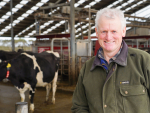
In Dacre, near Invercargill in New Zealand’s South Island, Bruce Dinnington is running a dairy operation unlike any other.
Almond hulls sourced from Australian orchards may have the potential to help New Zealand cows reduce emissions, boost milk yield and lower input costs.
Gareth Hale is the current custodian of a 160-year legacy that saw his great grandfather dairying in Taranaki since the mid-1850s and grandfather dairying in the Waikato from the early 1900s.
Most dairy regions around the country have had a pretty good season so far says Tracy Brown.

Federated Farmers has welcomed new rural policies released by ACT, saying they align closely with its own election priorities.

Rural Contractors NZ says proposed changes to land transport rules for agricultural vehicles are a welcome response by the Government to out of date regulations which have seen members hit with huge fines.
Alliance is calling for final applications for its 2027 Graduate Programme, with applications closing on Sunday 25 October.
Decades piloting planes has ensured vet and farmer David Hayes is focused on safety. So, after a serious accident while welding on farm, he is sharing his experience so others can learn from it.
Canterbury milk processor, Synlait Milk has confirmed Leon Fung as its chief executive officer.
OPINION: Making it easier to collect rainwater and use it to grow crops and livestock is a no brainer.