NZ dairy sector eyes inclusion in India free trade deal
The dairy sector is hopeful of being part of a free trade deal being hammered out between New Zealand and India.
 increase font size
 How better to get the media's attention than to be outrageous, sensational and even untruthful.
It's the season for the doomsayers of the dairy industry.
As election day nears, all those with political agendas, who for whatever reason dislike the dairy industry, will fall over each other to get the media’s attention. How better than to be outrageous, sensational and even untruthful. After all, why spoil a good campaign with honest hard facts?
No doubt the lame-stream media’s attraction to such sensation will prove irresistible and some rubbish will make it big on our airwaves and in our newspapers.
Thankfully however, DCANZ has come timely to the rescue by producing a simply factual stocktake of the dairy sector and in particular its economic impacts.
Many of the critics live in the larger cities and don’t see or understand how important the dairy industry is to many rural cities and towns. Hamilton, New Plymouth and Palmerston North are good examples of cities whose prosperity relies on an economically successful primary sector. And in dozens of small towns, e.g. Hokitika, on the West Coast, the dairy industry is a major employer.
The DCANZ report sets this out simply and clearly and all dairy farmers, especially those in leadership positions, should take the time to read it and memorise a few facts to trot out when someone starts criticising their industry.
Facts should be treated as sacred these days in a world encircled by purveyors of fake, false and heavily biased news and information.
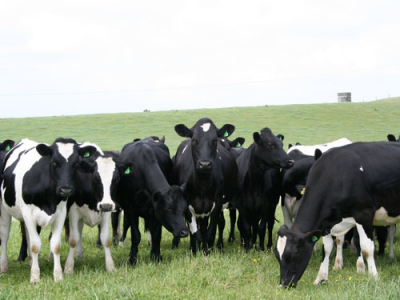
We might wonder at times where they see communities’ wealth coming from. The cow and the management of this versatile animal is now the mainstay of the primary sector, like it or not.
The dairy industry has performed exceptionally well considering the political and international market challenges it’s faced. It has also got the message about value-add and is doing something about this, but there is room for improvement.
There are questions about whether farming as many cows as we do in NZ is appropriate. Fewer cows better fed and managed on a low cost system would probably achieve the same numbers. Signs of change are appearing.
The dairy industry may not be perfect, but without the cow the relatively high standard of living we enjoy in Aotearoa would not exist. God save the cow.
Click here to read the DCANZ report
The dairy sector is hopeful of being part of a free trade deal being hammered out between New Zealand and India.
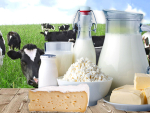
A former Fonterra executive is the new chair of the Dairy Companies Association of New Zealand (DCANZ).
Six industry organisations, including DairyNZ and the Dairy Companies Association (DCANZ) have signed an agreement with the Ministry for Primary Industries (MPI) to prepare the country for a potential foot and mouth outbreak.
Canada's blatant manipulation of international trade rules around the export of subsidised dairy products is likely to escalate further with the new Trump administration now in the White House.
OPINION: The Canadian government's love affair with its lifestyle dairy farmers has got it into trouble once again.
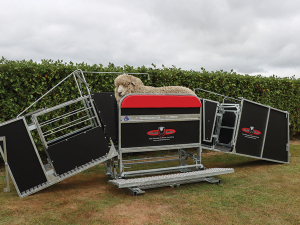
Oamaru-based livestock handling specialist Te Pari has bought Combi Clamp, the New Zealand manufacturer of Combi Clamp manual sheep handlers.

Agriculture Minister Todd McClay has admitted that a scheme bringing workers from Pacific nations to work on orchards has become too hard to navigate but says changes are coming.
A new app designed in New Zealand aims to help sheep, beef and deer farmers capture, analyse and use body condition score data more effectively.
Canterbury farmer Andy Macfarlane has been appointed to the board of AgriZeroNZ, the public-private partnership designed to accelerate the development and deployment of emissions reduction tools for New Zealand farmers.
For over 50 years Mel Ewers has been supporting the apple sector navigate through compliance and quality assurance issues.
The apple sector is enjoying a bumper harvest season.