
Too 'Little', too late - HortNZ
Horticulture NZ is scathing about the last gasp announcement by Labour to lift the Recognised Seasonal Employer (RSE) by just 500 workers.
 increase font size
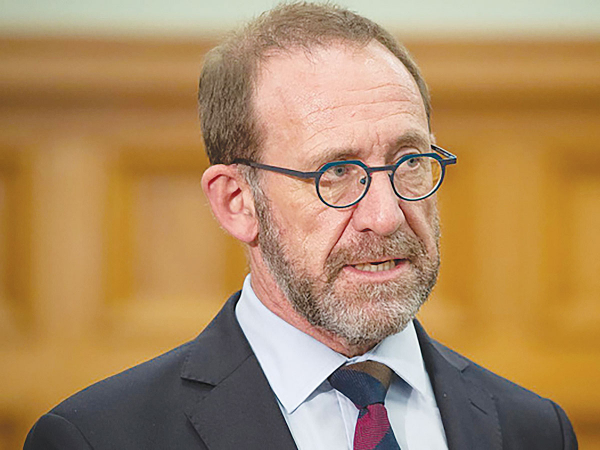 Health Minister Andrew Little
OPINION: The last minute decision by Health Minister Andrew Little to give the rural community some status in the new health reforms bill - Pae Ora Healthy Futures, is a victory, but there never should have been a fight over this.
The Pae Ora Healthy Futures Bill, which takes effect on July 1, is hugely significant. It is the first major reform for nearly two decades and the goal is to try and fix some of the enormous problems the sector is facing. Rural communities are seen as the poor cousin to urban people in terms of health services, facilities and the lack of access due to their isolation. Urban people have these on their doorstep, but even they endure long waiting lists for 'elective surgery'.
The bill was based on a series of reports, most notably one by Heather Simpson who was Helen Clark's formidable former chief of staff. It was Simpson who recommended that the rural community should have legal status in the bill along with Māori, Pacifica, women and people with disabilities. But in the debate in the select committee reviewing the legislation - the committee dominated by Labour and Green MPs - a bizarre decision was made to strike out 'rural'.
This rightly drew immediate outrage from the Rural GP's Network with their chair, Dr Fiona Bolden, calling it outrageous and saying it left nearly a million rural people out in the wilderness. National's Dr Shane Reti and Act's Brooke van Velden added their voices to the outcry and outrage over the select committee decision.
The reasons why the committee made such a decision is puzzling although there are several theories which are best left unsaid.
In the end, and to his credit, Andrew Little read the political landscape much better than his colleagues in the select committee and reinserted 'rural' into the bill. That there was a debate on this issue reflects badly on Labour and reinforces the view that rural is a low priority for them. It shows that some people in the Labour caucus don't understand what is happening outside Wellington and are fixated on urban social issues.
This is a victory for rural NZ and a terrible outcome has been avoided by a senior politician finally seeing reason - albeit at the last minute.
Horticulture NZ is scathing about the last gasp announcement by Labour to lift the Recognised Seasonal Employer (RSE) by just 500 workers.
The Government’s school-based Mana Ake wellbeing programme has been expanded to primary and intermediate school-aged children living on the West Coast.
Rural Women New Zealand (RWNZ) say it is distressing to see rural communities suffer due to a lack of access to quality health services.
OPINION: Just as the entire country’s health system moved into a new structure last week, a fresh Rural Health Network was also launched.



Federated Farmers says the Government’s latest investment in road resilience is a positive step toward protecting rural communities and freight routes from increasing severe weather events.

The stockfood storage capacity of J Swap Stockfoods continues to grow in the South Island with the opening of a new store that boosts its capacity in Christchurch and work starting on another store in Southland.
Fonterra has lifted and narrowed its full year forecast earnings range to 60-70 cents per share after a strong quarter, supported by robust milk production, strong shipment volumes and continued demand across its Ingredients and Foodservice businesses.
Fonterra has announced it will continue with the planned expansion of its organic business into the South Island.
New Zealand farmers have been told they all have amazing people on their farms and have been urged to be “that one person” that can make a huge difference to those going through tough times.
OPINION: For thousands of Southland farmers, this week would have tipped them into the non-compliant category when it comes to following regional freshwater plan rules. But the Government has stepped in to give them the clarity they deserve.