McCaws Named 2026 Arable Farmers of the Year
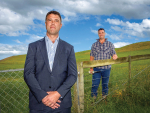
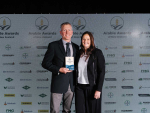
The arable sector losing good people and land is a major concern for the 2026 Arable Farmers of the Year, Mid Canterbury seed growers John and Mel McCaw.
 increase font size

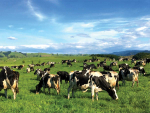
OPINION: Canterbury grows most of the country's wheat, barley and oat crops. But persistently low wheat prices, coupled with a high milk payout, are believed to be driving farmers out of the industry in the hunt for the dairy dollar, according to media reports.
The Canterbury regional council said up to 25,000 more dairy cows could be added to the region's herd this year, following an end to a temporary ban on intensive dairy farm conversions.
Environment Canterbury shows 32 new consents were approved last year, and 15 more in progress.
It said the maximum number of cows that could be milked through the shed was 25,818 cows, among the approved consents.
The arable sector losing good people and land is a major concern for the 2026 Arable Farmers of the Year, Mid Canterbury seed growers John and Mel McCaw.
Wallaby control efforts in Canterbury have received a major boost, with Canterbury Regional Council releasing $2 million from its Pest Management Reserve.
Newly released data from Environment Canterbury (ECan) Farm Environment Plan (FEP) audits are showing a dramatic lift in environmental performance across the region.
Buying or building a rural or semi-rural property? Make sure you know where the wastewater goes, says Environment Canterbury.


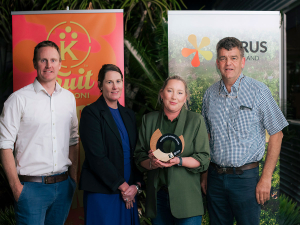
New Zealand's citrus growers were challenged to build their future on the value embedded in their fruit rather than the volume they produce, at Citrus New Zealand's annual gathering in Gisborne on 17 September.
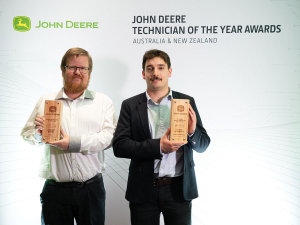
Leading John Deere technicians and apprentices from New Zealand and Australians were recognised at the recent sixth annual JD Technician of the Year Awards, held in Brisbane.
In Dacre, near Invercargill in New Zealand’s South Island, Bruce Dinnington is running a dairy operation unlike any other.
A free online platform aggregating governance vacancies across rural and regional New Zealand has been launched.
Environment Minister Nicola Grigg has announced details of a new rural plastics recycling scheme.
Agricultural drone operators say that a government decision to allow lower-risk drone work without certification won’t lower standards but drive innovation and efficiency.