NZ Food Safety Boss on Balancing Speed and Risk in Approvals
Striking a balance between meeting the needs of industry to speed up approval time for products but on the other hand ensuring that risks are properly assessed.
 increase font size
OPINION: Is it time for the Government to re-look at regulations pertaining to the sale of raw milk?
In recent weeks, several New Zealand raw milk sellers have been forced to recall their products due to fears they may contain either listeria or campylobacter.
The milk was sold via home deliveries, in one-litre glass bottles, and classified as raw (unpasteurised) drinking milk.
Farmers can sell raw drinking milk directly to consumers, either at their farm or by home delivery. Farmers, depot operators, and transporters of raw milk need to meet certain requirements to minimise risks to public health.
Rules for producing and selling raw drinking milk are set by the Ministry for Primary Industries. Time to tighten up those rules?
Striking a balance between meeting the needs of industry to speed up approval time for products but on the other hand ensuring that risks are properly assessed.
OPINION: Groundswell's opinion of the incumbent farm industry representatives isn't high.
OPINION: After hogging the media limelight for telling a NZ Chinese MP to "go back home", Winston Peters has decided to focus on a domestic issue - oil and gas drilling.
OPINION: With fuel prices soaring, one would have expected most farmers to be reclaiming excise duty on petrol.



LIC shareholders have elected a new North Island representative to the co-operative's Board, along with five representatives to its Shareholder Reference Group (SRG), following the company's Annual Meeting held in Invercargill.
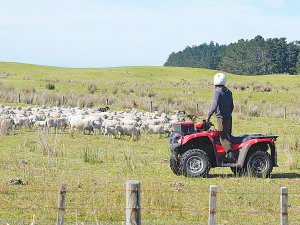
Farmers across parts of Southland and South Otago are continuing to deal with difficult conditions after a prolonged run of wet weather, with pressure building around feed supply, stock management, pasture damage, farm infrastructure and everyday workloads.
Federated Farmers says it welcomes Labour's commitment to reviewing the Sharemilking Agreements Act, calling on other major parties to do the same.
For Canterbury dairy farmers Sian Meijer and Rick Wobben, wearable technology has become one of their most valuable on-farm tools - helping manage 1850 cows across an expansive, high-performing dairy operation while improving efficiency, mating outcomes and day-to-day decision making.
Fonterra has unveiled its annual results for the 2026 financial year, posting $27 billion in revenue and close to $20 billion returned to New Zealand farmer owners and unit holders.
The first major update to the Dairy Cattle Code of Welfare in more than a decade has been released, marking what DairyNZ describes as an important step in ensuring animal welfare standards continue to evolve alongside scientific evidence and on-farm realities.