Breckenridge to Lead Lactalis Australia
Global dairy giant Lactalis has integrated its Australian operations with the Mainland Dairy consumer business it acquired from Fonterra earlier this year.
 increase font size
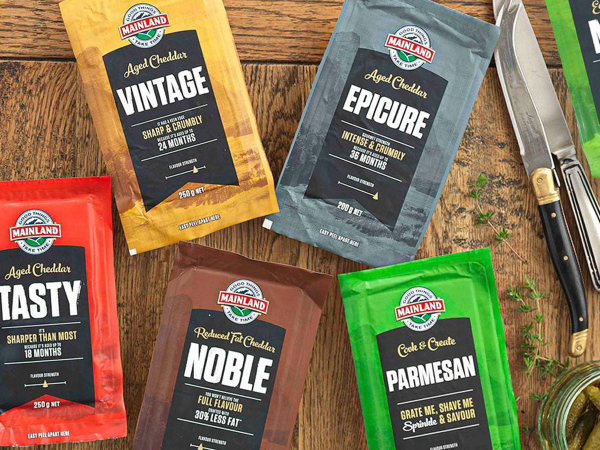 Despite owning iconic brands like Mainland, Fonterra has been unable to compete in the global consumer market.
OPINION: Fonterra's sale of its consumer dairy business to Lactalis is a clear sign of the co-operative’s failure to compete in the branded consumer market.
Despite owning iconic New Zealand brands like Anchor, Mainland, and Perfect Italiano, Fonterra has been unable to compete in the global consumer market. The loss to foreign ownership of these well-known local brands is a tough pill to swallow for New Zealand consumers, but it highlights a reality: the small markets of New Zealand and Australia could never match the scale and reach of Lactalis and other dairy giants such as Danone and Nestlé.
The reality is that consumer sales were always a minor part of Fonterra’s business, making up less than 10% of its NZ$25 billion annual revenue. Most of its business is in ingredients and foodservice. By contrast, Lactalis earns the majority of its €30.3 billion (NZ$55.1 billion) turnover from global consumer brands including Président, launched in 1968, Galbani, founded in 1882, and Parmalat, established in 1961. The company operates more than 260 factories worldwide and sells its brands in more than 90 countries.
The contrast is not only about scale but also about history. Lactalis’s flagship brands have been building consumer loyalty for decades, in some cases for more than a century. Lactalis itself was founded in 1932. Fonterra, by comparison, was only formed in 2001 through the merger of New Zealand’s dairy co-operatives and the Dairy Board.
In consumer branding terms, Fonterra entered the game late, facing competitors with much longer legacies and deeper roots in global markets. Anchor is its most recognised global brand, inherited from the New Zealand Dairy Board, and has existed since 1886. However, Fonterra has struggled to take the brand beyond Australasia, Britain and some select Asian countries.
Fonterra’s core business has always been in dairy ingredients, processing around 16 billion litres of milk each year. Competing in the consumer market, where margins are thin, marketing costs are high, and brand loyalty is deeply entrenched, has drained Fonterra’s resources and attention. Lactalis, however, has long been structured to succeed in this space.
For Fonterra, exiting consumer brands is a strategic move back to its strengths. For Lactalis, the acquisition adds trusted Australasian names to a strong portfolio of established brands in North America and Europe.
Dr Nic Lees is senior lecturer – Agribusiness Management, Lincoln University
Global dairy giant Lactalis has integrated its Australian operations with the Mainland Dairy consumer business it acquired from Fonterra earlier this year.

Four candidates have been confirmed for two director positions on Fonterra’s board.
A record farmgate milk price and strong global demand is laying the foundation for continued growth of organic dairy farming in New Zealand.
Waikato milk processor Tatua has again declared a record milk payout to farmer shareholders, leaving other processors in the dust.
Fonterra has unveiled its annual results for the 2026 financial year, posting $27 billion in revenue and close to $20 billion returned to New Zealand farmer owners and unit holders.


A major move is about to get underway to improve the quality and viability of dairy beef and cattle in NZ.
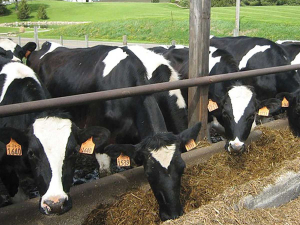
Veterinarians say changes to the code of welfare for dairy cattle provides a positive foundation for improved cattle welfare across the country.
Today, 15 October, is the International Day of Rural Women, which recognises rural women’s contribution to farming, communities and the environment.
Global dairy giant Lactalis has integrated its Australian operations with the Mainland Dairy consumer business it acquired from Fonterra earlier this year.
After almost two decades of sharemilking, saving and building equity, Aaron and Marcia Flay this year realised their long-held dream of settling on their first dairy farm.
Good medium to long term prospects for NZ beef, especially in the US, has heighted the focus on various initiatives to capitalise on this situation.