Fonterra FY26 Results: $9.69 Milk Price, $3.4bn Profit
Fonterra has unveiled its annual results for the 2026 financial year, posting $27 billion in revenue and close to $20 billion returned to New Zealand farmer owners and unit holders.
 increase font size
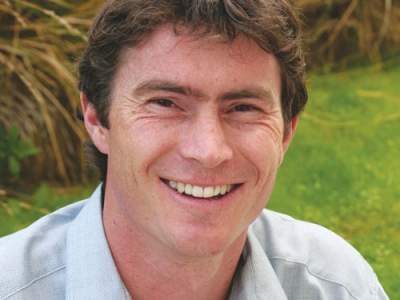 Darren Sutton.
Fonterra has announced a best-guess payout forecast of $5.25/kgMS for 2015-16. The bigger surprise was the final payout for 2014-15 of $4.40/kgMS, down another 10 cents.
Let’s look at what that could mean for your farm business for the next 12-18 months.
If you have not yet run a cashflow budget for the next 12 months, now is the time. If you do not know where to start, or what prices to use, call your banker and ask him/her to help you.
The sooner you take stock of reality, the better you can make accurate decisions. Banks can be more accommodating if a plan is in place, monitored and adhered to.
Zero-budgeting is a good way to create a budget. This takes time, but it drives better cost-control. Zero-budgeting means you go through each category in the budget, line-by-line, and cost out what the major items will be. These should be the ‘must-have’ items, not the ‘nice to have’ items.
Setting the budget is the starting point. Monitoring against actuals helps guide you as the season progresses, meaning timely decisions can be made (use of financial packages like Figured or Cash Manager can make this easier).
Given the current payout and likely low prices for 6-12 months, an obvious question centres on what can be done to reduce costs. There are no silver bullets, but careful consideration of costs is a must.
Areas to target vary from farm to farm; each farm has its own areas where the best efficiency gains can be made.
Generally, the biggest cost items should get the most attention, such as feed – 32% of farm working expense (FEW) – which has doubled in the past 10 years from $0.80/kgMS to $1.60/kgMS.
At 11% of FEW, fertiliser can also reduce costs. If soil pH is above 5.8, no lime is needed. If Olsen P levels are >30-35, phosphate can be withheld for two years with little to no effect on pasture production. And K and S leach, so reductions here should be done carefully, backed up by plenty of good soil test data.
Wages are also a big part of FWE (19%), and this may or may not be able to be reduced. Perhaps the relief milker will be used less this year?
Repairs and maintenance account for 10% of FEW and can be deferred to other years. But this is merely delaying what is normally sound investment, and it should be done with care.
Animal health also needs to be looked at, even though this is lower at typically 7% of FWE. In animal health expenses, large differences exist between farms. Zero-budget this area to cut out the extras. Ask yourself, did I farm effectively before using this product?
One of the biggest uncertainties we’re now dealing with are significant swings in dairy payout within seasons. Plans made in June can be totally out of alignment with reality six months later, which is exactly what we saw last season.
This highlights the need to monitor budgets and adjust accordingly but it also shows that your farm system needs to be robust enough to handle large changes in payout.
Does your farm system and financial position allow you ride through two tight years and one good year?
I recommend you stick with the farm system that works for your personal and your farm’s physical strengths (ie. as opposed to alternating between systems, according to the current or forecast payout).
Run your farm through the comparative stocking rate tool to see where your farm sits; see if you are under- or over-stocked for the amount of total feed running in the system.
There is a healthy tension between production per cow and per hectare that needs to be found. To maximise profitability, your farm should be in the range of 75-80kg liveweight/tonne of feed supplied.
Check out DairyNZ’s calculator on their website.
Finally, don’t ignore the facts, and don’t procrastinate. Seek help from people around you – friends, neighbours and rural professionals.
Get to a DairyNZ Tight Times field day to pick up tips that you can apply to your farm.
A plan in place and closely monitored should put you back in the driving seat of your business, regardless of payout.
• Darren Sutton is an LIC FarmWise consultant.
Fonterra has unveiled its annual results for the 2026 financial year, posting $27 billion in revenue and close to $20 billion returned to New Zealand farmer owners and unit holders.
Fonterra Co-operative Group has confirmed the independently assessed candidates standing for election to its board in 2026.
Fonterra has revised its Farmgate Milk Price forecast for the 2026/27 season, lifting the midpoint and narrowing the range on the back of improving global dairy commodity prices.
Outgoing Fonterra Co-operative Council chair John Stevenson says that it has been a privilege to represent the co-op's farmer shareholders.
OPINION: It seems Canterbury processor Synlait is still in the doldrums.



Federated Farmers says it welcomes Labour's commitment to reviewing the Sharemilking Agreements Act, calling on other major parties to do the same.
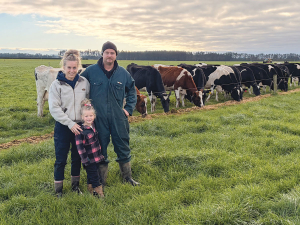
For Canterbury dairy farmers Sian Meijer and Rick Wobben, wearable technology has become one of their most valuable on-farm tools - helping manage 1850 cows across an expansive, high-performing dairy operation while improving efficiency, mating outcomes and day-to-day decision making.
Fonterra has unveiled its annual results for the 2026 financial year, posting $27 billion in revenue and close to $20 billion returned to New Zealand farmer owners and unit holders.
The first major update to the Dairy Cattle Code of Welfare in more than a decade has been released, marking what DairyNZ describes as an important step in ensuring animal welfare standards continue to evolve alongside scientific evidence and on-farm realities.
Ravensdown shareholders have elected Jane Montgomery and Kate Acland to the Ravensdown Board for three-year terms, following a closely contested director election.
Federated Farmers says new legislation replacing the Resource Management Act will cut red tape, unlock investment and help grow New Zealand's export-led economy, after the Planning Bill and Natural Environment Bill passed their third reading in Parliament yesterday.