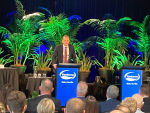
A Year of Delivery for Fonterra
Fonterra’s 2026 financial year was a year of delivery, with record volumes of milk collected, processed and shipped by the co-op.
 increase font size
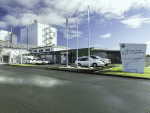
 Fonterra factory.
The heat was certainly on the last round of Fonterra farmer meetings, as almost 2000 farmers turned up to hear the co-op explain its dismal half-year results.
No doubt Fonterra is facing a supplier crisis of confidence; it risks haemorrhaging milk to independent processors.
The half-year results make poor reading: profit and revenue are down on last year and the co-op has sliced its dividend payout by 5c. It’s a small drop but this is a difficult year for many farmers: after a record 2013-14 season many are struggling to stay afloat on a $4.70/kgMS forecast milk payout.
We hear that farmers have been blunt at the meetings – putting Fonterra on notice to shape up the business or risk losing suppliers.
With the forecast payout at $4.70, Fonterra’s production costs would have been much lower than last year and its margins higher. This had left farmers expecting an increase in the forecast dividend.
There had been no warning and farmers had invested heavily in Fonterra’s value-added business, counting on that to ease the misery of a season to forget.
Fonterra has been forced to drop its dividend forecast by 5c/kgMS. It blames higher milk prices in some overseas milk pools for squeezed margins. In Australia, Chile and Brazil milk prices are influenced by in-market dynamics rather than global prices.
Farmers are right to put Fonterra on notice; there should be some serious soul-searching going on there now.
For its part, Fonterra admits the results are below farmers’ expectations; they blame it on the tough conditions in the dairy industry. It is asking farmers to remain cautious in their budgeting, given the volatility still buffeting international commodity prices.
But farmers are understandably disappointed with the co-op.
The Fonterra Shareholders Council is worried that suppliers may leave the co-op in droves. Certainly the risk of losing milk will worry the co-op, and angry long-term loyal suppliers will be an even bigger worry. They probably won’t leave, but they’re mighty disappointed and want answers.
The half-year result was the tipping point for farmer-shareholders agitating to know how comparatively tiny milk processors which don’t require suppliers to buy shares could match or better Fonterra’s milk price in a tough global market year.
The council urged farmers to voice their concerns to the board and management; they did so at the 40 meetings last month.
The ball is now in the Fonterra board and management court. They must salvage farmer confidence, and quickly.
Fonterra’s 2026 financial year was a year of delivery, with record volumes of milk collected, processed and shipped by the co-op.
Dairy farmers, still holding onto their Fonterra shares despite switching milk supply elsewhere or exiting the industry, now face a stricter share sell-down requirement.
OPINION: The Government's decision to reinstate agriculture and horticultural science as a standalone subject from Year 11 is the right one.
Milk powder prices are continuing their merry run, firming up a potential $10/kgMS farmgate price this season.
Good news for Fonterra farmers. The co-op has raised this season’s farmgate milk price mid-point by 25c to $9.75/kgMS.

New Zealand's red meat sector says it is disappointed that the United States' investigation into lamb imports will move to its next phase.

Three men have been sentenced in District Courts after Ministry for Primary Industries prosecutions over animal welfare, food safety and cattle tracing offences.
Fonterra’s 2026 financial year was a year of delivery, with record volumes of milk collected, processed and shipped by the co-op.
OPINION: The Government's decision to reinstate agriculture and horticultural science as a standalone subject from Year 11 is the right one.
Dairy farmers, still holding onto their Fonterra shares despite switching milk supply elsewhere or exiting the industry, now face a stricter share sell-down requirement.
Hamilton-based agritech company Aimer Farming has completed a $3 million capital raise to support its next stage of growth, including a beef farming product due to launch in 2027.