Editorial: A Poor Policy
OPINION: At a time when farmers are advocating for less government spending and no new taxes, the dairy sector is rightly concerned by ACT's new immigration policy.
 increase font size
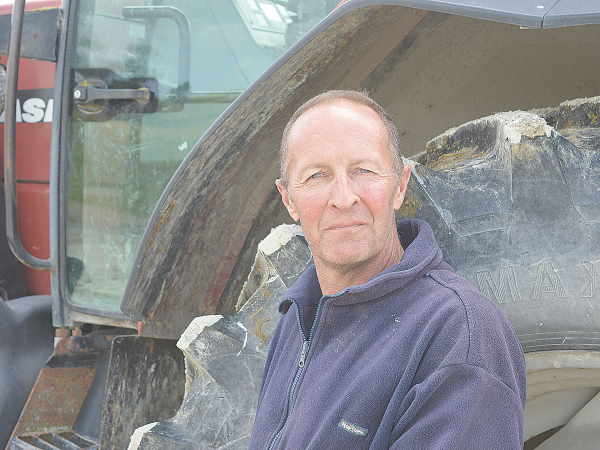 Change is possible for farmers in the next election, but they need a strong ACT presence for it to be real change, says the party’s primary industries spokesman Mark Cameron.
ACT primary industries spokesman Mark Cameron gives National a 6/10 for its recently released ‘Getting Back to Farming’ package. He explains why…
National's agricultural policy says the right things but has too much compromise and a glaring omission of policy on He Waka Eke Noa (HWEN) and protecting property rights from Significant Natural Areas (SNAs). ACT has the policy that will bring about real change for farmers.
The good news for farmers is that ACT will be campaigning to make the next government’s agriculture policy a 10/10, by getting rid of the RSE cap completely, putting an end to virtue-signalling climate policy like HWEN, retaining property rights by repealing SNAs, and going further to ensure regional government has full control over freshwater limits.
It seems like National doesn’t want to talk about He Waka Eke Noa, that’s probably because they back it. The document claims there will be announcements to come on emissions pricing, but farmers deserve to know what their position is now. It is one of the most significant issues affecting farmers today.
ACT was the only party to vote against the Zero Carbon Act because we knew that it would lead to costly virtue-signalling interventions on sectors like agriculture, without lowering global emissions. We’re clear that emissions pricing is not the answer; the fairest and most simple answer is to match our agricultural emission reduction goals with our five closest trading partners. This means there is no risk of reducing production so other countries can pick up the slack.
Doubling the RSE cap is nice as well, but ACT believes the sensible policy change would be to remove the cap on the number of RSEs completely, like Australia’s scheme.
It’s good they have adopted ACT’s position on live animal exports. It is a $500m industry that the country needs, and I have a Member’s Bill ready to go.
Getting rid of some of the central planning around freshwater policies is good. ACT has been campaigning to allow regional councils and communities to set their own freshwater management limits right from the start and if National is truly committed to getting Wellington out of farming, they should do the same.
ACT agrees farmers are overregulated, but we don’t need more bureaucracy in the form of a panel to work that out. HWEN, intensive winter grazing regs, SNAs would all go under ACT. No serious reformer proposes the two regulations for one rule. It’s a great sound bite, but it doesn’t solve any problem. If you’re not serious about regulatory discipline, you just end up with the average regulation being twice as long.
The next Government can’t just water down Labour and the Greens’ anti-farming policies. They need to be scrapped entirely.
ACT has committed to getting rid of HWEN in favour of a marketconsistent climate policy that works, and scrapping Significant Natural Areas entirely, instead of National’s proposal to ‘focus the definition’.
Change is possible for farmers in the next election, but they need a strong ACT presence for it to be real change.
OPINION: At a time when farmers are advocating for less government spending and no new taxes, the dairy sector is rightly concerned by ACT's new immigration policy.

ACT's new immigration policy has come under fire from farmers and the Government.
ACT MP and Minister for Biosecurity Andrew Hoggard says he's hearing a common story about school buses, with empty seats, driving past pick-up points, while a parent follows behind in a farm ute, burning fuel and taking up time to get their children to school.
Associate Agriculture Minister and Manawatu dairy farmer Andrew Hoggard says the free trade agreement (FTA) negotiated with India is not a bad deal and his party, Act, will support it when it goes before Parliament.
The ACT Party says media reports that global dairy giant Nestle has withdrawn from the Dairy Methane Action Alliance shows why New Zealand needs to rethink its approach to climate.


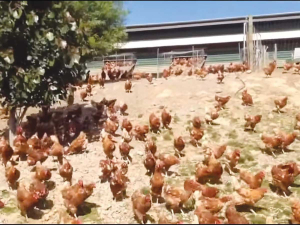
Mainland Poultry has confirmed new ownership of its vertically integrated agribusiness with Pacific Equity Partners Gateway (PEP Gateway) now joining current shareholders Navis.

The recently published State of the Industry -Tractors and Machinery 2025 from the Australian Tractor and Machinery Association (TMA), the equivalent of New Zealand’s TAMA, gives an interesting perspective of the industry.
Strong competition and tightening supply have seen wool reach its highest prices paid at auction since 2011.
The Government is funding a feasibility study to investigate what would be required for a successful farmer-led purchase of the McCain Foods' vegetable processing site in Hastings.
A young man just five years out of his Lincoln University degree already has his foot in the door of farm ownership, as equity manager of a large new dairy conversion now taking shape in Mid- Canterbury.
Visitors to the LIC stand at this year’s Fieldays can expect practical farm conversations, specialist drop-in sessions and exclusive shareholder events.