Energy cost risk in Oz dairies
Bigger may not be better for equipment in robotic dairies, according to the findings of FutureDairy energy audits on Australian farms.
 increase font size
LOBBYING IS underway to gain Australian Government funding for a national programme to conduct energy assessments in dairies.
Agriculture scientist Gabriel Hakim told the Australian Dairy Conference last month he was hopeful the Dairy Unplugged project, developed by his company, AgVet Projects, would receive funding for a July start.
AgVet, Dairy Australia and other major dairy companies are working together to secure the funding.
"Finding energy savings in the dairy is not rocket science, but it does take a methodical approach and a good understanding of the way each individual farm is set up and operated," Hakim says.
AgVet has launched a national dairy energy assessment tool which Hakim says provides a standardised way to approach and record the information required to deliver a dairy energy assessment according to the Australian Standard.
The national tool is a further development of the tool developed in NSW and accommodates many of the differences in dairy set-ups (calving patterns, dairy types, electricity tariffs) found across Australia's dairy regions.
"The way water is heated nowadays is quite varied and the tool can account for the various ways this job is performed," Hakim says.
"It also incorporates additional checking calculators and help to ensure assessors make reasonable assumptions. Greenhouse gas emissions are also calculated.
"Validation work over the past month gives us good confidence that dairy energy assessors using the tool will provide a report that sits well within the Australian Standard as far as accuracy goes."
Hakim gave the audience his top five tips to reduce energy use and costs.
"What has been striking about the farm assessments over the last two years is the differences between farms," he says.
Hakim offers some tips as general principles on reducing energy use and costs and notes they may not be applicable in every circumstance;
Reducing energy use and costs
Water heating
For many farms this represents over 30% of electricity use. The opportunities to reduce the energy used for this purposes are significant – from reviewing clean programmes and improving insulation properties to installing re-use systems.
Savings in energy: 5%-90%
Milk cooling
This can represent up to 40% of electricity use. Improving plate cooler performance is undoubtedly the easiest way to reduce the cost of cooling. The performance of the vat's refrigeration system is another area often overlooked.
In many dairies, the milk vat (and the refrigeration system) was installed to meet operating conditions quite different to those of today. Herd size, daily milk production, and milking throughput have all increased.
This has probably challenged the performance and efficiency of the vat's cooling system. Reviewing the performance and taking corrective action will reduce energy use.
Savings in energy: 5-25% (savings can be substantially more when the plate cooler performance is poor).
Get a full dairy energy assessment done periodically
If you have not already done so it is time to organise an energy assessment. Knowing where the energy is being used and how much it is costing puts you in the driver's seat about whether spending time and resources on improving energy efficiency is worthwhile for your business.
On-going monitoring
Power prices are trending upwards rapidly. Waiting for the next monthly/quarterly bill is too long. And often, the bill won't provide the detail or the analysis required to know if something's not right. Automated monitoring systems are now available.
Bigger may not be better for equipment in robotic dairies, according to the findings of FutureDairy energy audits on Australian farms.

Murray Goulburn has bought Mitsubishi Corporation's remaining 24.1% in Tasmanian Dairy Products Co Pty Ltd (TDP) for A$4.8 million, taking 100% ownership.
Australian agriculture has almost limitless potential according to a landmark white paper on agricultural competitiveness released at the beginning of July.
About 30% of Australian dairy farmers are missing out on the advantages of a transition cow nutrition management programme, says Dairy Australia.
AUSTRALIAN BEEF farmers are pushing the Gillard Government to restart free trade agreement talks with South Korea. Industry leaders visited Seoul this month seeking to resume talks with the South Koreans.

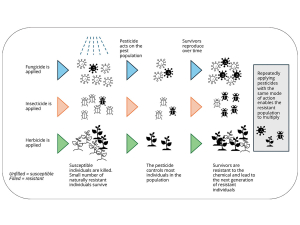
Growers and farmers are being encouraged to have an important conversation before the coming season starts: how to prolong the effectiveness of the crop protection tools they rely on.
A new digital assistant is now helping Ballance Agri-Nutrients farmers speed up nutrient information and ordering.
New Zealand apple and pear industry stakeholders are out in force for the annual conference in Queenstown.
Cameron Reed lives between two worlds.
Improving health and safety is about incremental gain rather than a sudden decision, says Leeston farmer and Federated Farmers health and safety spokesman David Birkett.