Tunley's parting message - work together
Work together and used the diversity of the horticulture sector to your advantage.
 increase font size
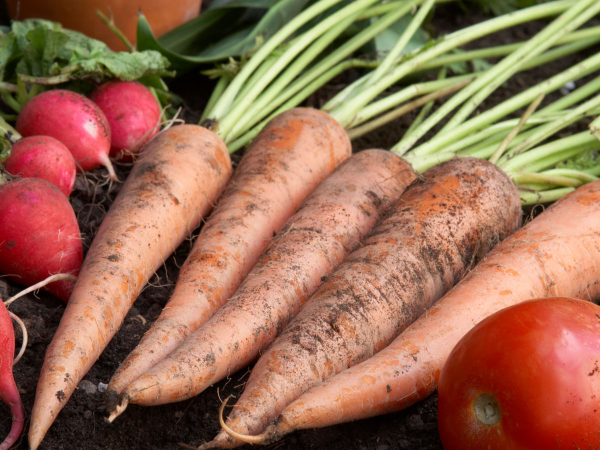 Just one extra serving of vegetables can make a big difference.
As the country hunkers down for winter there’s a reminder to add fresh New Zealand-grown vegetables to your day.
Seasonal winter vegetables such as carrots, parsnips, kūmara, broccoli, cauliflower, silverbeet, potatoes and fresh herbs are perfectly designed to deliver the nutrients we need for optimal physical and mental health at this time of year.
New Zealanders know to aim for 5+ A Day however recent consumer research shows only one in every four New Zealanders eat enough vegetables. 5+ A Day Trustee and principal scientist and team leader at Plant and Food Research, Dr Carolyn Lister, says just one extra serving can make a big difference.
“Diversity is the key to reducing the risk of health problems such as diabetes, osteoporosis, asthma and heart disease. By eating a really wide range of fruit and vegetables, our body gets all the vital nutrients and phytochemicals it needs to keep working properly.”
Lister says a roast vegetable medley is a great way to add new vegetables to your usual line up. “Make sure you select a range of different colours as these contribute different nutrients and phytochemicals that are good for your health.
“A stuffed baked potato is another great winter warmer and you can add all sorts of different vegetables and fresh herbs to the filling, making it easy to add more vegetables to your meal. Cooking in the skin helps retain nutrients and you should make sure you eat the skin as it is higher in dietary fibre and some other nutrients.”
Lister also suggests mixing broccoli and cauliflower together to get a two for one deal. “They are similar in nutritional composition, being packed with vitamin C and a source of folate, potassium and dietary fibre but provide different phytochemicals due to their different colours. Don’t feel too guilty about adding some cheese sauce as the fat in that will help you absorb some of the vitamins and phytochemicals.”
One cup of chopped silverbeet will deliver a good amount of folate, vitamin A, vitamin K and potassium which are all essential for good health. Try adding silverbeet to soups or curries, or as an extra layer next time you’re making a lasagne.
Kūmara’s red, orange and gold varieties all vary in their nutritional benefits but provide a good source of niacin, vitamin B6, vitamin A and vitamin C depending on what variety you choose, as well as dietary fibre to keep your digestive system healthy.
“There’s a reason why kūmara has been a staple food in Aotearoa for centuries - they pack a big nutritional punch,” Dr Lister says.
Other root vegetables like parsnips and carrots contain potassium which is good for your heart health and blood pressure. They can be roasted, steamed, boiled or mashed and can be easily served as a side dish with most meals.
“Winter vegetables can provide the warmth and comfort we crave at this time of year without excess calories or fats that a lot of highly processed foods contain. So when you’re next buying vegetables, take a minute to consider what’s in season and Add One More Vegetable to your diet so you can reap the benefits that Mother Nature helpfully provides.”
Work together and used the diversity of the horticulture sector to your advantage.

With winter chills hitting, getting at least two servings of fruit each day is a great way to improve your health and wellbeing.
A recent independent evaluation has revealed that the Fruit and Vegetables in Schools (FIS) initiative continues to be NZ's most popular and effective healthy food programme.
It is predicted that the monthly Food Price Index due to be released next week will show an easing in vegetable prices, with industry insiders saying the trend is set to continue as we head into winter.
Vegetable prices fell 8.7% in September, with lettuce prices falling 45%.



Farmer-owned fertiliser company, Ballance Agri Nutrients is welcoming National’s plan to negotiate security agreements with key supplier countries to protect New Zealand-bound products from export restrictions and greater supply chain certainty.

Carrfields has announced the appointment of Stu Hall to the newly created role of chief operating officer, Carrfields Ltd, reflecting the continued growth of their agribusinesses and the need to ensure the company has the leadership capacity and support in place as it pursues the emerging opportunities ahead.
New Zealand's role is not to compete with Indian growers, according to NZ Apples and Pears.
The potato industry is celebrating the success of two rising stars - James Blair, the 2026 Young Grower of the Year and runner-up and innovation award winner, Amber Davy.
Twenty-eight emerging leaders from across the horticulture sector spent two days last month learning valuable skills and connecting with industry experts.
There are five entrants in this year’s Young Horticulturist of the Year, competing in a series of technical, practical, business and leadership challenges.