A big December wet spell threw a spanner in the works for Canterbury berry growers during the vital pre-Christmas trade.
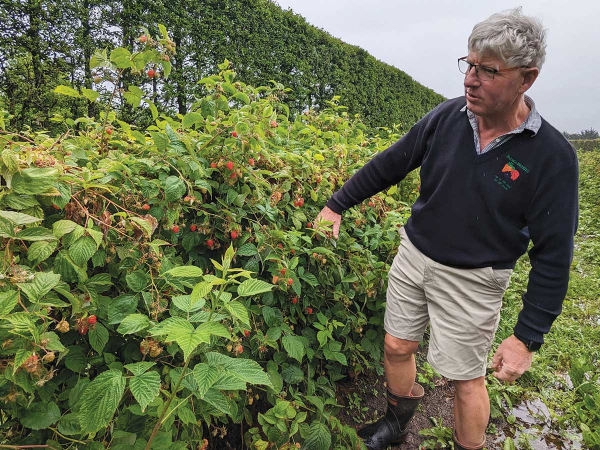
Raspberry grower Ian Johnston of Pataka Berries, near Belfast, said he has fruit that was "looking magnificent" when he opened for the popular pick-your-own trade a week before Christmas.
He sold 200kg on the first day.
Then he had to close for three days of rain, some of it extremely heavy.
"The weather's just gone absolutely totally against us. As it did last year," he told Hort News.
Along with outdoor tomatoes, Pataka grows raspberries for both fresh and frozen sale, with the pick-your-own fresh trade accounting for about 40% of the crop.
Johnston says the raspberries could handle a day of rain in isolation because they would be able to dry out. But ripe fruit won't survive being wet for longer than that.
"The fruit's gone mushy. It's not a pleasant experience. The fruit won't keep - it'll mush when you pick it," he explained. "It's going to cost us an awful lot in fruit. It's costing us a lot of actual money today and then it'll cost us in money down the track when we don't have the fruit in the freezer to sell."
However, Johnson remained optimistic of good sales, and the day after Hort News visited, blue skies allowed him to announce on the Pataka Facebook page that it was again open for public picking.
The rain was also a problem for Norm and Jane Mundy who grow mainly strawberries, blackberries, potatoes and pumpkins for local markets on a 10ha block, just south of the Waimakiriri River.
Pioneers of wine-making in Canterbury, the now semi-retired couple were co-founders of the once-celebrated St Helena Winery, and their berry block is carved off what was the original vineyard.
Their strawberries are hydroponically grown in waist-high troughs.
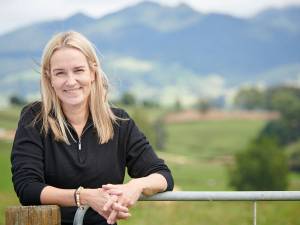
"We used to grow them on the ground, but that was a nightmare," Jane Mundy explained.
"You lose too many. Especially in years like this," added Norm. "Anything that's not covered, if it rains for more than half a day or so, it damages them. They go white on the tips where the water's been sitting and botrytis sets in. Then they're unsaleable."
However, the couple say 2021 was much worse when they lost a large portion of their crop. They have since added plastic rain covers to several of the rows and plan to extend that protection across the plot.
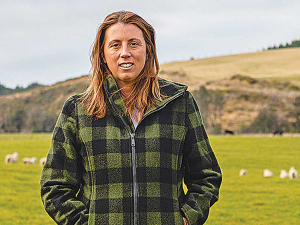
Meanwhile, orchardist Paul Tapper, who grows a large variety of fruit on a block at Swannanoa said his problem was his cherries in what was "a frustrating season so far".
In most years, the main problem was protecting them from spring frosts, Tapper told Hort News.
"Then the last three years we've had this confounded weather leading into Christmas that is decimating the cherries," he added.
"We normally get one wet day in fourteen, not 14 wet days in 15. It's causing huge damage to the cherries and it shortens the crop."