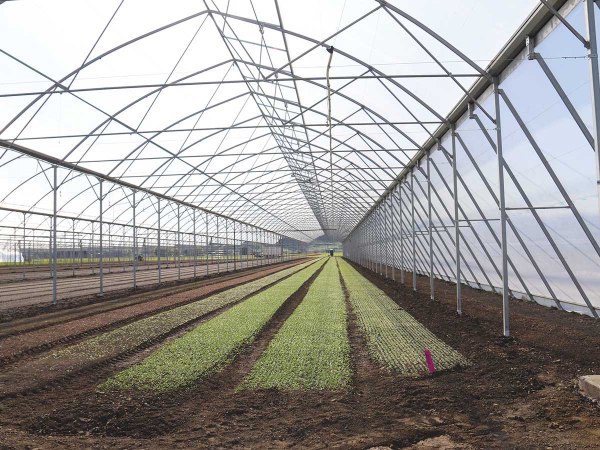
HortNZ chair Barry O'Neil believes there is a huge opportunity for growing vegetable crops under cover - similar to what the large commercial grower Leaderbrand is doing in Gisborne.
Leaderbrans is in the final stage of constructing a 10 hectare structure, which provides cover for many of the crops it grows.
O'Neil's comments come in the light of what has been a terrible season for the horticulture sector with seemingly unending rain, followed by a catastrophic frost, all of which has severely damaged - and in some cases wiped out - entire kiwifruit orchards.
He told Hort News the extremely wet weather has meant that many growers haven't been able to get into their orchards or vegetable plots and plant crops. O'Neil describes a situation up in Northland where growers couldn't plant their kumaras because the ground was so wet and this is likely to have a significant impact on that industry.
"While we do have cyclical weather events, this season has been one of the worst if not the worst that I can recall since 1984 when I started growing kiwifruit," he told Hort News. "I have seen the industry go through its ups and downs, but this season's weather has been exceptionally, unbelievably bad."
O'Neil adds that in the light of the climatic disasters, growers are now spending a lot more time when they are setting up their orchards. For example, he says they are establishing their drainage systems to take higher volumes of water and to ensure shelter, be that artificial or natural, is better.
"By growing crops undercover, growers can mitigate some of the risks of the planting crops in the open ground when weather systems like the ones we have been experiencing strike," he explains.
"Growers who plant undercover are effectively future-proofing food security and ensuring that there is a continuous supply of fresh health vegetables for the consumer."