Despite some trying circumstances recently, the cherry season looks set to emerge on top of things.
In recent months, strong winds and unseasonable rainy spells have caused headaches for many summerfruit growers across the country, leading to unusually late harvests and crop damage across the board.
Mike Casey of Electric Cherries orchard in central Otago said that because of high winds in spring many of their cherries ended up rubbing against each other causing damage.
"Usually when we pick for export we are packing about 95% of the cherries and this year, we've had more like 20% end up as waste rather than 5%."
Meanwhile, Summerfruit New Zealand's recent market update said that weather events had led to only intermittent harvesting so far, which combined with delays in the Cook Strait ferry, led to first day sales being below expectations.
Sounds like a bad time, but these storm clouds may have silver linings.
Many cherry orchardists grow for export, with Chinese New Year being a very important date for the season (cherry exports to China and Taiwan alone reached 559.5 tonnes in 2025). As Chinese New Year moves around each year, getting product ready for the occasion can sometimes be difficult; too early and no crop is ready, too late and the best product is gone.
However, this time Chinese New Year is particularly late (17 Feb - 3 March). As such a late crop has gone from a curse to a boon.
"This late season could be to grower's advantage, especially if the weather really heats up in Central Otago," said Andrew Bristol of Summerfruit New Zealand.
Additionally, even in the domestic market the low supply has been balanced out by strong demand keeping prices in check.
Casey said that while cherries are most commonly thought of as a Christmas and New Year's treat, the best ones are actually harvested in mid-January.
"As a result, we're trying to do our part to change the culture and the knowledge of New Zealand that cherries are a great treat to start the year on a high note.
"Going back to work having cherries in the fruit bowl is a fantastic way of keeping people's spirits up when they may have a bit of post-holidays blues. That's what we're trying to work on at the moment; we're doing a lot of mail orders of our export buying to New Zealanders."
Moving ahead, Bristol said the last weeks' sales volumes were reporting very strongly, with good quality, large fruit moving very well.
"[Fruit is] not hanging around in cool stores looking for a home. The slight general shortage is helping all our fruit types, and even fruit on promotion is selling at relatively high values.
"The sun has been shining in Auckland, people are happy and they are buying summerfruit."
A Slice of the Domestic Pie
Mike Casey said that this season has been particularly exciting for Electric Cherries, in operation for six years now and selling its cherries for three, because it is their first year supplying local supermarkets like Wanaka.
"My goal is to try scale up the amount of cherries we sell of our export mind to New Zealanders. What we try and do is sell at the same gate return as what we would get if we shipped to Taiwan or China.
 |
|---|
|
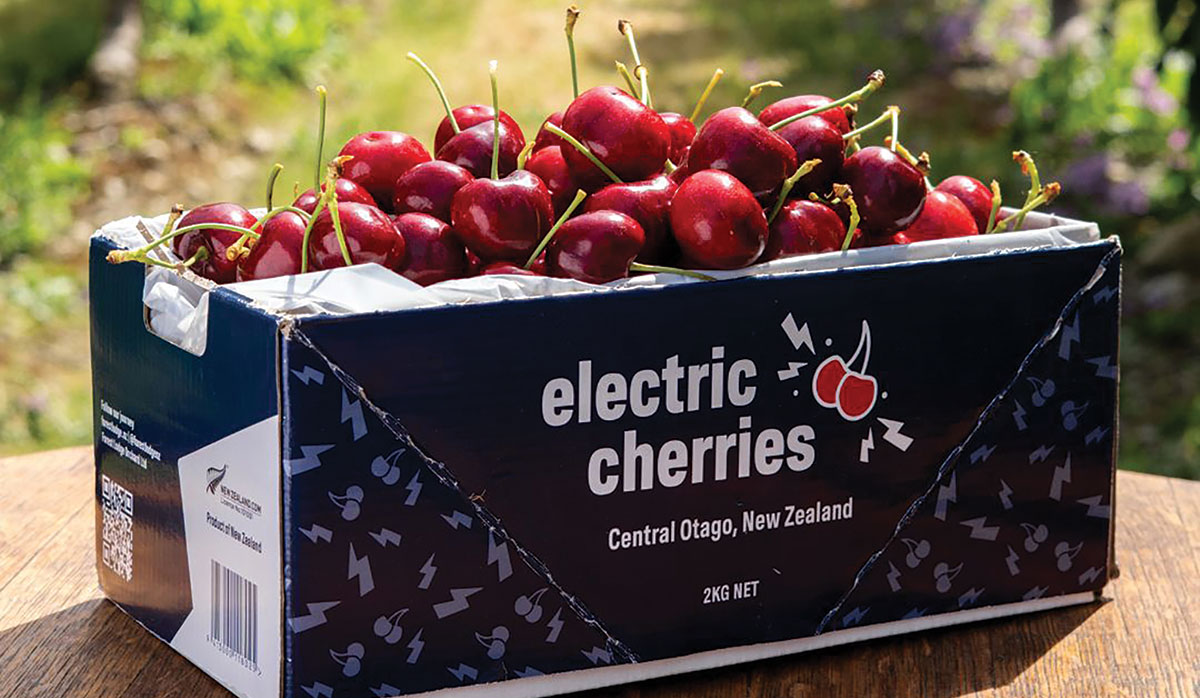
Electric Cherries says the best ones are harvested in January.
|
"The farmer has to pay to ship all their produce overseas to market. The exporter handles shipping overseas, the importer buys cherries from the exporters and the retailers buys the cherries from the importer. Usually, the retail customer is paying something like three times what the farmer gets by the time it's done.
"If we can avoid air freight to because a New Zealand family is buying our cherries, that means that family gets the best cherries possible and we get a small premium because we don't have to pay for transport."
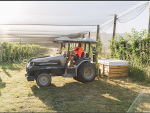
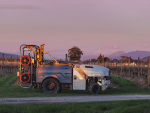
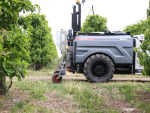
Casey claims that Electric Cherries, with its complete lack of fossil fuel energy in its farm system, is "probably one of the most profitable cherry orchards in New Zealand".
"I think I want to use that electrification story, scale that profitability even more and show the rest of New Zealand that going down the path of running electric machines is just the smart business decision to make."