Milk Powder Prices Prop Up Farmgate Milk Price
Milk powder prices are keeping farmgate prices up, helping processors offset the dip in milk fat prices.
 increase font size
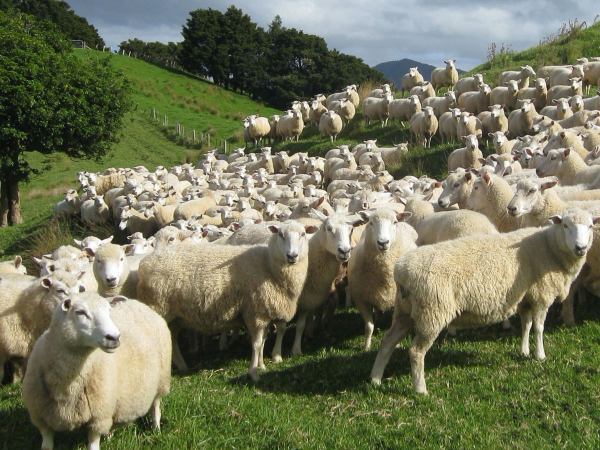 Lamb prices are tipped to remain low.
The latest report from ANZ isn’t good news for sheep farmers: lamb returns are forecast to remain low.
The ANZ Agri Focus says that while global market returns remain mixed, with reasonable prices in the European and US markets, prices have weakened for lower value cuts.
Schedule prices have not changed a lot in recent weeks, and lamb throughput is slower than normal, it notes. Many farmers are struggling to put weight on lambs and others are trying to grow lambs out to heavier weights to offset the lower prices.
The report states that international prices for lamb vary considerably depending on the market and the cut.
Racks are priced well above their five-year average, and are typically sold into higher value restaurants in the US and Europe
But leg cuts are trading about 20% below their five-year average: some of this difference is being made up by the relatively low value of the NZD. The UK is a major market for lamb legs, along with other European markets.
The report says forequarter prices are struggling, having dropped about 40% (in NZD terms) compared to the five-year average.
“China has been the main market for this cut, along with many other lower value cuts such as flaps and mutton, which tend not to be favoured by the European and US markets. In recent years these have achieved high returns.
“As consumers in China are selecting cheaper forms of protein or reducing their protein consumption, demand for low-end cuts has plummeted and exporters are struggling to generate good returns this season.”
Lamb production in the UK has been slightly stronger this year so far than last year. Imports are also up slightly.
Prices being paid for lambs in the UK are considerably higher than a year ago. These factors indicate that consumer demand for lamb has improved in this market, which is a good sign, the report says.
Unfortunately, the strength of this market is not expected to offset the weakness in demand from China, which accounts for over half of the lamb carcass lamb slaughter in New Zealand is currently running 4.5% ahead of last season for the period from October to mid-March. The South Island is further ahead (+4.9%) than the North Island (-4.1%).
Lamb weights in the South Island are also better, averaging 19.0kg for the season to date compared to 18.9kg in the North Island. The difference in weights has widened in recent weeks. This time last year North Island farmers were drafting lambs at exceptionally heavy weights, but this season’s drought means more lambs are being drafted at lower weights.
Also distorting North Island figures was the impact of Cyclone Gabrielle last year, which dropped processing capacity sharply during late February and March; and damage to roads, bridges and farm access meant many lambs were processed later than planned.
The report notes that procurement pressure has supported prices to date as the volume of lambs for processing remains steady but sufficient for processors to pull back on pricing. This trend is expected to continue in coming months.
Milk powder prices are keeping farmgate prices up, helping processors offset the dip in milk fat prices.
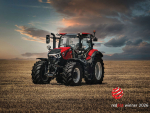
Case IH has unveiled its redesigned next generation Puma Series tractors, said to offer improvements in connectivity, operator comfort, fuel efficiency and drivability.
Cameron Reed lives between two worlds.
A milk glut around the world shows no sign of easing, putting downward pressure on farmgate milk prices for the next few months.
The new dairy season is kicking off with plenty of risks to the forecast farmgate price, both upside and downside, says ANZ agricultural economist Matt Dilly.


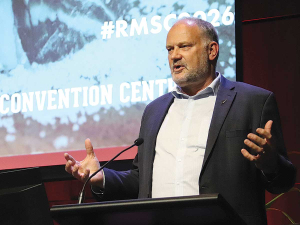
Good medium to long term prospects for NZ beef, especially in the US, has heighted the focus on various initiatives to capitalise on this situation.
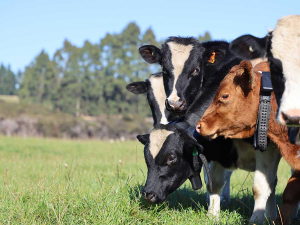
High country stations, mixed sheep and beef farms, Māori-owned farms, corporates and family operations are among the nine commercial farms taking part in the Livestock Innovation Farming Transformation programme, known as LIFT.
OPINION: New health and safety guidance unveiled by the Government recently provides farmers greater certainty about what is expected of them when managing risks on farm.
The National Animal Welfare Advisory Committee (NAWAC) is seeking public feedback on proposed changes to the Code of Welfare for Rodeos.
A New Zealand initiative supporting farmers to restore the health of grazing landscapes has received international backing through the Regenerative Fund for Nature, a global collaborative fund supporting regenerative agriculture and the communities that produce natural fibres for the fashion industry.
Combine premium New Zealand products, blend in a family ritual and what do you get? A world-class functional drink.