
Ravensdown Elects Montgomery, Acland to Board
Ravensdown shareholders have elected Jane Montgomery and Kate Acland to the Ravensdown Board for three-year terms, following a closely contested director election.
 increase font size
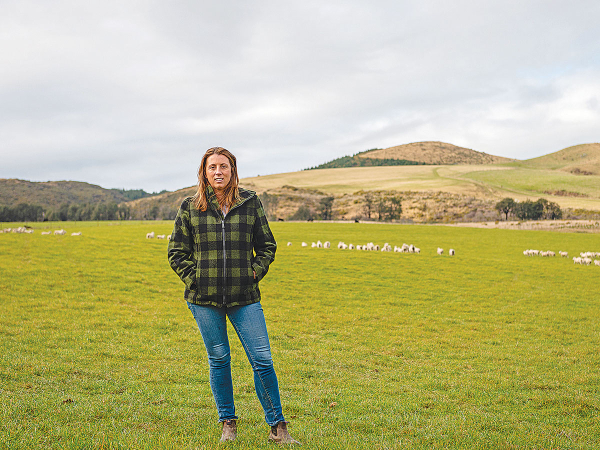 New Zealand Meat Board chair Kate Acland. Photo credit: Claire Toia Bailey.
Time is running out for farmers to have their say on funding two important primary sector programmes.
The New Zealand Meat Board is proposing to continue funding the Informing New Zealand Beef (INZB) genetics programme with a contribution of up to $700,000 and providing up to $1 million towards a new facial eczema research project.
NZMB chair Kate Acland says sheep and beef farmers were sent a joint NZMB and Beef + Lamb New Zealand (B+LNZ) mail-out last month, with information on the NZMB online annual meeting on March 15 and the proposals.
Farmers can provide feedback on funding the programmes by completing a form enclosed in the mail-out or by visiting the feedback page on the NZMB website. They can also register for the Annual Meeting by visiting the registration page.
Acland says she strongly encourages farmers to share their views by the closing date on 13 March.
“It’s important we’re funding projects that are relevant to farmer needs, so we’d really value feedback on the two proposed projects,” she says.
“These funds have two purposes. Firstly, as a contingency fund for the industry to restore international market confidence following a catastrophic event such as a Foot and Mouth outbreak, and secondly, as a fund for industry good projects.”
By the end of this year, the Meat Board is expected to be managing ten export quotas with an approximate export value of just under $3 billion.
Ravensdown shareholders have elected Jane Montgomery and Kate Acland to the Ravensdown Board for three-year terms, following a closely contested director election.

Beef + Lamb New Zealand (B+LNZ) says it welcomes the passage of the Natural Environment Bill and Planning Bill, calling the bills a positive step for sheep and beef farmers.
Farmgate lamb prices are down by 8%, beef cattle by 4.5% and farm expenditure up by 4.2%.
Red meat farmers are welcoming Labour’s plan to review the Emissions Trading Scheme and not to campaign on pricing agricultural emissions.
New Zealand's Emissions Trading Scheme (NZ ETS) encourages afforestation while not achieving climate goals, says a new report released by the Parliamentary Commissioner for the Environment, Simon Upton.


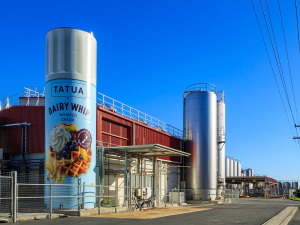
Waikato milk processor Tatua has again declared a record milk payout to farmer shareholders, leaving other processors in the dust.
A Labour-led Government won’t be bringing back the controversial freshwater rules of 2020.
National’s much-touted free trade deal with India featured in the Rural Issues Debate at Mystery Creek, Hamilton on Wednesday night.
New Zealand's 2026-27 freshwater fishing season has opened, with anglers encouraged to head to rivers and lakes over the coming days as conditions look favourable across much of the country.
Central Otago District Council (CODC) has voted against a plan to spread treated sewage sludge from Cromwell and Alexandra on farmland near Lauder, a decision Federated Farmers says reflects strong opposition from rural residents.
Pāmu has released its FY26 Integrated Annual Report, reporting a Net Operating Profit of $113 million, more than double the $49 million recorded in FY25.