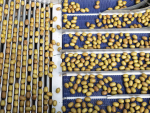
Seeka Posts Record $62m Profit as Zespri Lifts 2026 Forecast
More signs of a booming kiwifruit sector.
 increase font size
 Dr Damien McLoughlin
New Zealand is underperforming in branding its food products, says an academic who visited recently.
Dr Damien McLoughlin, a professor of marketing at University College Dublin, says like many major food producing countries New Zealand is focused on production. But successful brands such as Coca Cola, Apple and Guinness have organised themselves around the consumer.
But he says he is shocked that no single organisation in New Zealand is responsible for branding food products.
The standout brand is Zespri, he says. Kiwifruit does an extraordinary job of delivering a premium product at a premium price – which is what branding is all about.
“NZ Inc is not doing enough to support its producers to actually reposition New Zealand strengths,” McLoughlin told Rural News.
“When I came on my first visit here 18 months ago, I noticed all the planes were black – presumably a reference to the All Blacks. When I went through the airport there are all these signs about the Lord of the Rings and I thought it was cut. “But, when I came again, it was still there and I’m asking, ‘is that the only thing this great country has to say about itself’?”
McLoughlin says New Zealand, like Ireland, is one of few countries where there is no pollution and the water and the air are clean. This proposition and image is hugely attractive to world consumers and needs to part of our brand proposition.
For a country to have a strong brand it needs an organisation dedicated solely to this, he says. By developing a strong national brand a country moves away from a ‘commodity culture’ because its brands are driven by consumer insights.
He points to a successful initiative in Ireland called ‘Origen Green’, a national branding scheme conceived by the Irish Food Board. The aim is to get farmers, producers and processors to sign up to meeting strict objectives which focus on Ireland’s clean, green image.
“The Irish Food Board… targets influential people – the big buyers of Irish food products and major retail chains and food brands around the world. It has been extremely clever and hasn’t been hugely expensive, but the money has been wisely spent.”
McLoughlin believes New Zealand has the potential to do something similar.
More signs of a booming kiwifruit sector.

Blueberries have the potential to become a major horticultural export, earning up to $150 million within the next three to five years.
Westpac NZ has become the first New Zealand bank to receive approval from the Reserve Bank of New Zealand (RBNZ) to secure and leverage kiwifruit growers' Zespri shares.
New Zealand's kiwifruit industry has welcomed Government co-investment in a new five-year programme designed to help growers produce higher yields of premium fruit, with less water, fewer nutrients and reduced environmental impact.
Zespri's sales of kiwifruit for the 2025 season have broken all past records.


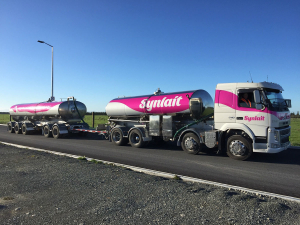
Synlait has swung to second-half profit as operations stabilise, but the dairy processor still posted a $75.4m annual loss.

LIC shareholders have elected a new North Island representative to the co-operative's Board, along with five representatives to its Shareholder Reference Group (SRG), following the company's Annual Meeting held in Invercargill.
Farmers across parts of Southland and South Otago are continuing to deal with difficult conditions after a prolonged run of wet weather, with pressure building around feed supply, stock management, pasture damage, farm infrastructure and everyday workloads.
Federated Farmers says it welcomes Labour's commitment to reviewing the Sharemilking Agreements Act, calling on other major parties to do the same.
For Canterbury dairy farmers Sian Meijer and Rick Wobben, wearable technology has become one of their most valuable on-farm tools - helping manage 1850 cows across an expansive, high-performing dairy operation while improving efficiency, mating outcomes and day-to-day decision making.
Fonterra has unveiled its annual results for the 2026 financial year, posting $27 billion in revenue and close to $20 billion returned to New Zealand farmer owners and unit holders.




