Pāmu Braces for $30m Hit From Rising Farm Costs
State farmer Pāmu is bracing for a $30 million hit from soaring farm input costs this financial year.
 increase font size
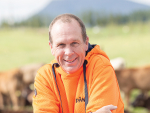
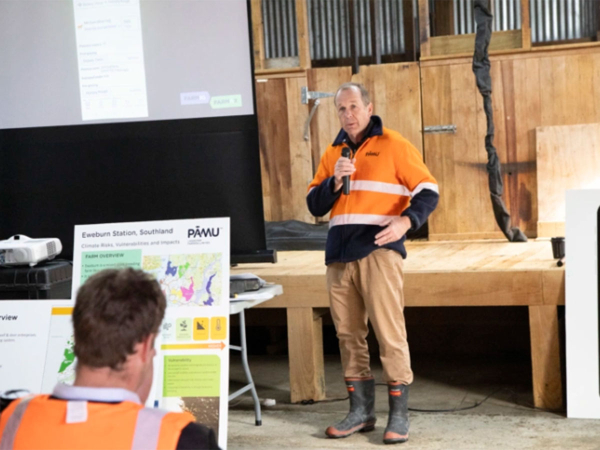 Open Day at Aratiatia and Mark Leslie hosting.
State farmer Pāmu is opening its farm gates this summer in an effort to give the rural sector the opportunity to see how large-scale, multi-system farming is delivering productivity and profitability across New Zealand.
The Open Farm Days programme will run from September to February, spanning four regions and a mix of systems - from dairy beef and organics through to red meat and mixed finishing.
Mark Leslie, chief executive of Pāmu, says the focus is simple.
"We're running commercial farms, so everything we do has to deliver," Leslie says. "Open Farm Days are about showing, in real terms, how on-farm systems decisions translate into productivity and profitability on the ground."
"That means lifting value from calves, getting more out of pasture, and building systems that can handle pressure, whether that's climate or cost," he says.
Across the programme, Pāmu will show the shift to a more disciplined, data-driven farming model, with a clear focus on profitability and reslience.
Key focus areas this year are dairy beef and reinvestment in nature, both of which are creating new opportunities from existing farming systems.
Pāmu says it is working towards rearing all non-replacement calves by 2030, turning what was once a low-value outcome into a value-adding part of the business. Supported by genetics, improved calf rearing, and finishing systems, the programme is said to capture more value from every animal born on farm.
The state farmer is also exploring new ways to unlock value from native forests and other natural assets already present on New Zealand farms.
Through a new pilot, businesses can invest in the restoration and protection of existing native forests, creating a connection between growers, customers, and nature outcomes that are increasingly valued by markets.
While many farms have areas of significant environment value, they have traditionally generated little direct return. This approach aims to recognise that value while supporting biodiversity, resilience, and long-term farm performance.
There are four showcases putting a different part of this shift on display:
Leslie says sharing with neighbours, local communities and the wider industry what works and what doesn't is part of the role Pāmu plays as a State-Owned Enterprise.
“We’ve got scale, a mix of regions and a mix of systems. Our job is to be profitable and test ideas properly and then be open about it, so others can take what’s useful and apply it," he says.
The wider community engagement programme also includes a biodiversity and planting day at Eyrewell in North Canterbury and a presence at regional field days across the country.
Further events are being planned, including field days on LIFT programme farms.
LIFT is a five-year, partner-led programme supporting New Zealand sheep and beef farmers to lift profitability, resilience and environmental performance.
Led by Pāmu with support from industry partners, the Primary Sector Growth Fund, and farmers, the programme is creating regional demonstration farms to generate data on how virtual fencing enabled farms systems can improve productivity, protect sensitive environments and give farmers more confidence to invest in new ways of managing hill country.
These activities will continue through 2027.
To stay up to date and register for Pāmu Open Day events, visit: https://www.pamunewzealand.com/community-overview/open-farm-days.
State farmer Pāmu is bracing for a $30 million hit from soaring farm input costs this financial year.
Pāmu has released its FY26 Integrated Annual Report, reporting a Net Operating Profit of $113 million, more than double the $49 million recorded in FY25.
As farmers begin thinking about establishing next year’s winter forage crops, Beef + Lamb NZ is encouraging farmers to carefully consider what crops they are planting and where.
A free online platform aggregating governance vacancies across rural and regional New Zealand has been launched.
Environment Minister Nicola Grigg has announced details of a new rural plastics recycling scheme.

Farmer-owned fertiliser company, Ballance Agri Nutrients is welcoming National’s plan to negotiate security agreements with key supplier countries to protect New Zealand-bound products from export restrictions and greater supply chain certainty.
Carrfields has announced the appointment of Stu Hall to the newly created role of chief operating officer, Carrfields Ltd, reflecting the continued growth of their agribusinesses and the need to ensure the company has the leadership capacity and support in place as it pursues the emerging opportunities ahead.
New Zealand's role is not to compete with Indian growers, according to NZ Apples and Pears.
The potato industry is celebrating the success of two rising stars - James Blair, the 2026 Young Grower of the Year and runner-up and innovation award winner, Amber Davy.
Twenty-eight emerging leaders from across the horticulture sector spent two days last month learning valuable skills and connecting with industry experts.
There are five entrants in this year’s Young Horticulturist of the Year, competing in a series of technical, practical, business and leadership challenges.