
B+LNZ Forecasts Lower Prices, But Still a Strong Season
Farmgate lamb prices are down by 8%, beef cattle by 4.5% and farm expenditure up by 4.2%.




 increase font size
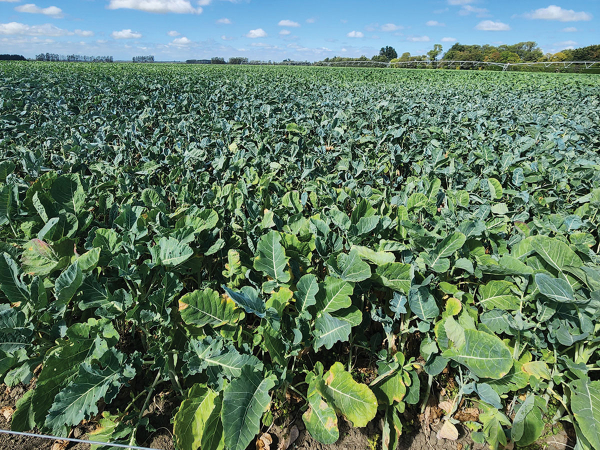 Farmers are being urged to plan carefully to mitigate any risks associated with winter grazing next winter.
As farmers begin thinking about establishing next year’s winter forage crops, Beef + Lamb NZ is encouraging farmers to carefully consider what crops they are planting and where.
B+LNZ’s environment project lead, Tom Orchiston, says with El Niño weather conditions forecast, farmers will be keen to make the most of early spring soil moisture to get crops established, but it is important that they plan carefully to mitigate any risks associated with the practice.
“A winter grazing plan is a valuable tool to help underpin management decisions around the establishment, growing and feeding of winter forage crops,” says Orchiston.
Factors that should be taken into consideration before planting crops include soil type, slope, location of waterways and critical source areas, access to shelter and stand-off areas, and placement of water troughs and supplementary feed.
Cultivation practices should also be considered that mitigate sediment loss, with low-tillage options being suitable in many situations.
He says it has been encouraging to see such significant improvements in the management of intensively grazed winter forage crops in recent years and knowing how important these crops are for many farmers, means care needs to be taken to protect soil, water and nutrient resources while ensuring animals remain well-fed and cared for over winter.
“There are a lot of factors to consider, but done well, forage crops are a valuable part of farming systems, particularly in the south, as they provide high-quality feed at a time of year when grass-growth is at a stand-still.”
Orchiston encourages farmers who send or receive stock from other farms for winter grazing, to have appropriate contracts in place that cover expectations and responsibilities around animal health, environmental considerations and plans for adverse weather events.
He also suggests farmers look back on the past winter grazing season to review their practices.
“Think about what went well and any management tweaks that could be implemented for next winter. To get the best results, it is good to start planning early for your next winter grazing season.”
He says there is a wealth of information for farmers on winter forage crops from establishment to post-grazing management on B+LNZ’s website. There is also plenty of information available on DairyNZ’s website and on regional council websites.
Farmgate lamb prices are down by 8%, beef cattle by 4.5% and farm expenditure up by 4.2%.
Red meat farmers are welcoming Labour’s plan to review the Emissions Trading Scheme and not to campaign on pricing agricultural emissions.
OPINION: One of the privileges of judging the Ballance Farm Environment Awards for more than a decade is the opportunity to spend time on farms and orchards across New Zealand and hear from people constantly looking for ways to improve their businesses.
The Government has announced it will pause key parts of Waikato Plan Change 1 (PC1) in a decision that is set to give Waikato farmers a reprieve from new consenting and farm-planning requirements while the wider resource management system is overhauled.
Beef+Lamb New Zealand and the Ag Emissions Centre have launched a new research project aimed at helping beef farmers reduce methane emissions without impacting productivity or profitability.


In Dacre, near Invercargill in New Zealand’s South Island, Bruce Dinnington is running a dairy operation unlike any other.

A free online platform aggregating governance vacancies across rural and regional New Zealand has been launched.
Environment Minister Nicola Grigg has announced details of a new rural plastics recycling scheme.
Agricultural drone operators say that a government decision to allow lower-risk drone work without certification won’t lower standards but drive innovation and efficiency.
OPINION: Warning bells are ringing in the arable sector.
Farmgate lamb prices are down by 8%, beef cattle by 4.5% and farm expenditure up by 4.2%.




OPINION: The same mainstream media muppets that brought you Jacindamania in 2017 have been flat out pimping for the Opportunities…
OPINION: Your old mate reckons the atrocious way farmers in the UK are treated by their lords and masters in…




