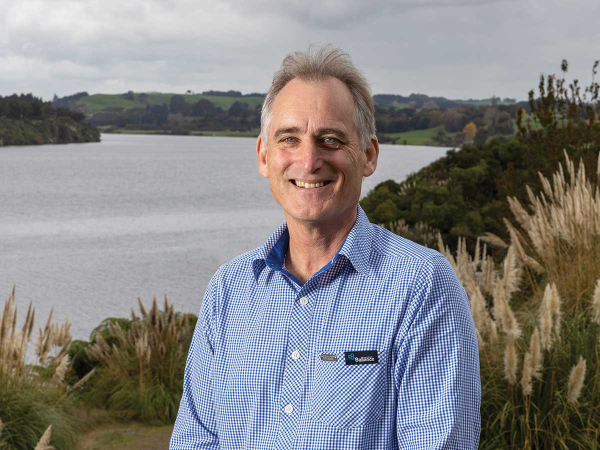
OPINION: One of the privileges of judging the Ballance Farm Environment Awards for more than a decade is the opportunity to spend time on farms and orchards across New Zealand and hear from people constantly looking for ways to improve their businesses.
Every farm and orchard is different, whether it’s land types, climates, enterprises or family circumstances, which means there’s no single blueprint for success. The key thing that stands out from the hundreds of farms I’ve visited is that success rarely comes from standing still.
Technology is one of the clearest places where that adaptability shows up. Farmers and growers have always been innovators, but today’s tools are evolving quickly and providing a depth of information that was simply not available previously. This year’s Ballance Farm Environment Awards Gordon Stephenson Trophy winners, Southland farmers Tony and Michelle Roberts, have adopted SmartTags in their deer operation to monitor animal activity, rumination and reproductive performance.
In a large herd, that information can help flag changes earlier and support timely decisions, while the Roberts’ knowledge of their animals and land remains central.
It’s a great example of technology complementing, rather than replacing, good stockmanship and farmer judgement. It’s providing an extra set of eyes in the paddock around the clock, so farmers still make all the decisions, now with more information available to guide them.
Another theme is the increased focus on proactive succession planning. This is particularly significant at a time when farm ownership is becoming more difficult to achieve.
Land values and capital requirements mean the pathways into ownership look very different from previous generations. Many farming families are responding by treating succession as a long-term process rather than a single event.
Environmental management is another area where adaptability is becoming increasingly important. New Zealand farmers operate in a dynamic environment. Every component of a farm influences the others. When one part is under pressure, the impacts can be felt elsewhere.
Freshwater farm plans can also help farmers identify risks, prioritise actions and understand how water moves through their property.
Perhaps the most encouraging trend I see is the continued strength of community leadership within the farming and horticultural sector.
Many award entrants are deeply involved in catchment groups, industry organisations, local schools and community projects. Whether they’re co-ordinating planting days, sharing water-quality monitoring or helping neighbours learn from an on-farm trial, their gates are open and they’re contributing to initiatives that benefit the wider district.
This willingness to collaborate is critical as farming navigates increasingly complex challenges. Few issues are solved in isolation, and progress often comes faster when farmers share what they are seeing, compare what works and tackle common problems together.
The people I’ve met from all around New Zealand through these awards continue to impress me with their innovation and resilience. They embrace new technologies where these add value, plan thoughtfully for future generations, invest in the health of their natural resources and contribute positively to their communities.
Like any successful farming system, resilience is built through adaptation. The businesses best placed for the future are not waiting for change to happen around them, they are watching closely, making practical adjustments and actively shaping what comes next.
- Warwick Catto is science strategy manager, Ballance Agri-Nutrients