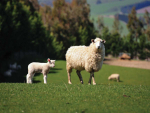
Early Weaning Lambs: What the Massey Trials Found
Farmers with high-quality feed available in late spring could consider weaning at least a proportion of their lamb crop early to benefit both lambs and ewes.
 increase font size
 Agcarm president Gavin Kerr.
The two associations representing NZ's crop protection and animal health industries will merge this month.
Agcarm (formerly known as the Agricultural Chemical and Animal Remedy Manufacturers' Association) and the Animal Remedies and Plant Protection Association (ARPPA) will join forces to become a single united industry voice named the Animal and Plant Health Association of New Zealand Inc. - abbreviated to Animal and Plant Health New Zealand.
The new body will represent more than 90% of New Zealand's animal health and crop protection manufacturers - a $1-billion industry. It will also include rural retailer businesses and associate members.
"By joining together, we have one united industry voice representing our members to government, consuers and other stakeholders," says Agcarm president Gavin Kerr.
"It's an exciting and challenging time for our industry and the right time to unite and strengthen our voice." adds Kerr. He is referring to the impacts of Covid-19 and the increasingly complex challenges of supply chains and new regulations.
ARPPA chair Ed Catherwood says that his members voted unanimously to join with Agcarm.
"This merger is a fitting tribute to the late Colin Harvey, a long time ARPPA chairman and renowned industry veteran, who advocated for this merger," he adds.
Farmers with high-quality feed available in late spring could consider weaning at least a proportion of their lamb crop early to benefit both lambs and ewes.
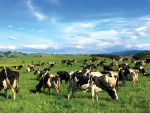
The first major update to the Dairy Cattle Code of Welfare in more than a decade has been released, marking what DairyNZ describes as an important step in ensuring animal welfare standards continue to evolve alongside scientific evidence and on-farm realities.
Bovine Viral Diarrhoea (BVD) is sometimes viewed as a dairy industry issue, but the reality is that the disease can have serious consequences for beef breeding herds as well.
Animal health company Bovonic is gearing up for its next stage of growth after increasing New Zealand sales of QuadSense by more than 50% in the last 12 months, including a record quarter for the business this year.
With lambing underway in many regions, Beef + Lamb New Zealand is encouraging farmers to put together a wellequipped lambing kit to help minimise lamb losses, particularly in bad weather.



Alliance is calling for final applications for its 2027 Graduate Programme, with applications closing on Sunday 25 October.
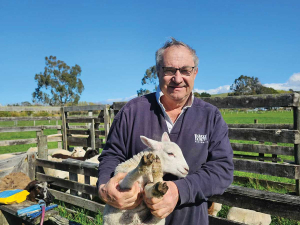
Decades piloting planes has ensured vet and farmer David Hayes is focused on safety. So, after a serious accident while welding on farm, he is sharing his experience so others can learn from it.
Canterbury milk processor, Synlait Milk has confirmed Leon Fung as its chief executive officer.
OPINION: Making it easier to collect rainwater and use it to grow crops and livestock is a no brainer.
As part of its Election 2026 coverage, Rural News asked political parties how they would help pull the arable sector out of the doldrums. Here's what they said:
Farmers are being encouraged to rethink how they manage waste on farm with the launch of ruralwastesorted.co.nz, a new website bringing together practical tips, real farmer experiences and resources.