BVD Control Begins Long Before You See A Problem
Bovine Viral Diarrhoea (BVD) is sometimes viewed as a dairy industry issue, but the reality is that the disease can have serious consequences for beef breeding herds as well.
 increase font size
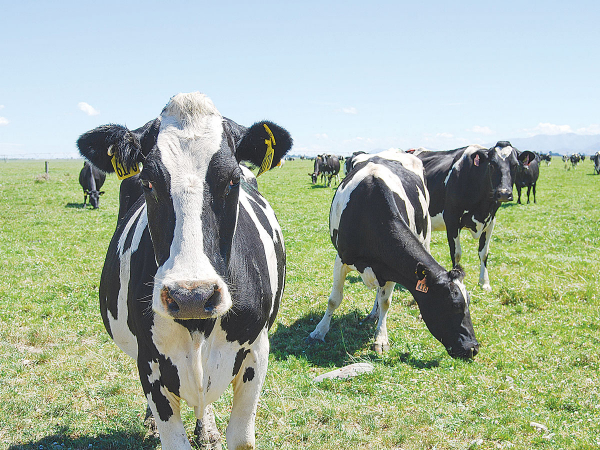 Facial eczema could potentially become a problem in the coming weeks for dairy farmers.
Conditions are ripe for facial eczema to become a problem for dairy farmers in the coming weeks, says James Allen, AgFirst.
The Waikato-based consultant says up until now the conditions in the region have been extremely dry and pasture covers low, so FE hasn’t really been a problem.
But in recent weeks most areas have had some rain and very hot humid weather and, while it hasn’t become a problem yet, Allen warns the potential is there now for the situation to change.
“We haven’t seen any high spore counts up until now, but the conditions are now ripe for it to become a problem over the next few weeks, so we are encouraging farmers to get into full readiness mode by monitoring the situation and getting applications ready deal with FE,” he told Rural News.
Allen says the majority of farmers would still be putting zinc into stock water, but he adds that spraying fungicide on pasture to kill the spores can also be very good in the right situation. He says local vets are providing spore testing services these days and he urges farmers to take some samples in to them and see what’s going on.
“My message to farmers is that FE could be a problem in two or three weeks’ time, so they should keep a really close watch on spore count levels and start zinc treatment right now,” he says.
Meanwhile, in the Manawatu and Horowhenua regions, the high rainfall has washed a lot of the spores off the pasture, according to The Dairy Vet’s Fraser Abernethy.
His veterinarian business deals exclusively with dairy farmers and he, like many vets, is keeping a close watch on FE at present.
Abernethy says normally this is a problem in March and April but this year the conditions are such that FE could be on the scene earlier. He says if the heat and humidity return in coming weeks, the spores will return.
“Farmers should be monitoring spore counts well and they should be heading on full protection doses of zinc because it takes up to two weeks to build up enough protective levels,” he told Rural News.
“The other thing that is very cost effective for farmers to do when spore counts are still low is to spray pastures against the fungus that causes the spores. Once the spore counts are high, it’s a waste of time because the fungicide doesn’t kill the spores but it does kill the fungus, and at the moment that could be a good preventative option,” he says.
Bovine Viral Diarrhoea (BVD) is sometimes viewed as a dairy industry issue, but the reality is that the disease can have serious consequences for beef breeding herds as well.

Animal health company Bovonic is gearing up for its next stage of growth after increasing New Zealand sales of QuadSense by more than 50% in the last 12 months, including a record quarter for the business this year.
With lambing underway in many regions, Beef + Lamb New Zealand is encouraging farmers to put together a wellequipped lambing kit to help minimise lamb losses, particularly in bad weather.
Bovine Viral Diarrhoea (BVD) remains one of the most significant infectious diseases affecting New Zealand dairy herds.
Bovine Viral Diarrhoea (BVD) is sometimes viewed as a dairy industry issue, but the reality is that the disease can have serious consequences for beef breeding herds as well.


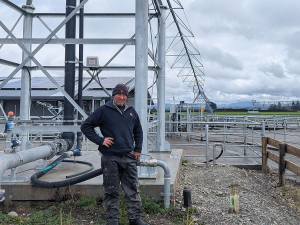
Converting a longstanding cropping farm to dairy was the only way to ensure the land stayed in the family long term, says new dairy farmer Rod May.

As the election heats up, Organics Aotearoa New Zealand (OANZ) has launched its election scorecard designed to help voters wanting to support policies that grow organic and New Zealand's organic sector.
A 'tsunami' of milk from key exporting countries is winding down and this may be good news for New Zealand dairy farmers.
Will the good times last? That's one of the key issues to come out of the latest Federated Farmers confidence survey.
Outgoing Fonterra Co-operative Council chair John Stevenson says that it has been a privilege to represent the co-op's farmer shareholders.
Have a plan in place for your cows and staff.