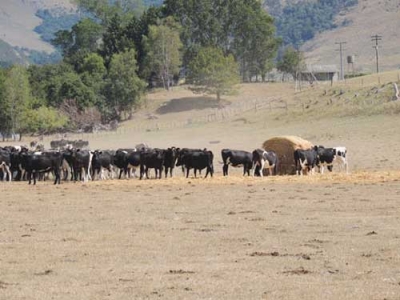
The Ministry for Primary Industries (MPI) has complimented farmers on their animal welfare management during the lengthy North Canterbury drought.
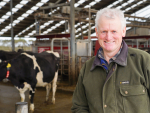
Canterbury-based MPI animal welfare manager Peter Hyde says there have been very few animal welfare issues to deal with in North Canterbury.
“Sheep are a bit lighter than ideal but not to the extent where they are below the minimum standard that breaches of the Animal Welfare Act.”
Hyde says farmers have adopted different management strategies to maintain the condition of their animals.
“Many farmers have been feeding out since January. Some farmers have found grazing outside the drought affected areas. Most farmers would have reduced their stock numbers, which has included selling off capital stock. No matter which strategy has been used, it has resulted in a significant loss of income to many North Canterbury farmers.”
Hyde says he is impressed with the support provided by many organisations.
“North Canterbury veterinarians and NZ Beef + Lamb have run very well attended field days to assist farmers with their tactics to manage through the drought,” he says.
“Federated Farmers have organised the supply of donated feed. The Rural Support Trust has visited 530 farms to check how farming families are coping with the difficult situation. Many people have also been involved with organising social events.”
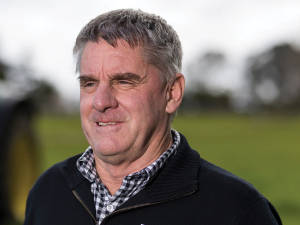
In June, these groups came together to form the North Canterbury Drought Committee, chaired by Hurunui Mayor, Winton Dalley, who is himself a farmer in North Canterbury.
MPI says while they do not provide financial assistance to farmers, some funding has been provided to the Rural Support Trust to support its work and to fund a coordinator for the North Canterbury Drought Committee.
There has been little significant rainfall in North Canterbury and the drought continues. The North Canterbury Drought Committee will need to continue to monitor the welfare of both stock and farmers into the future, says Hyde.