DairyBase and MINDA Link Up to Cut Farmer Paperwork
Farmers can spend less time on paperwork, thanks to a new data sharing agreement between DairyNZ’s DairyBase and LIC’s MINDA software.
 increase font size
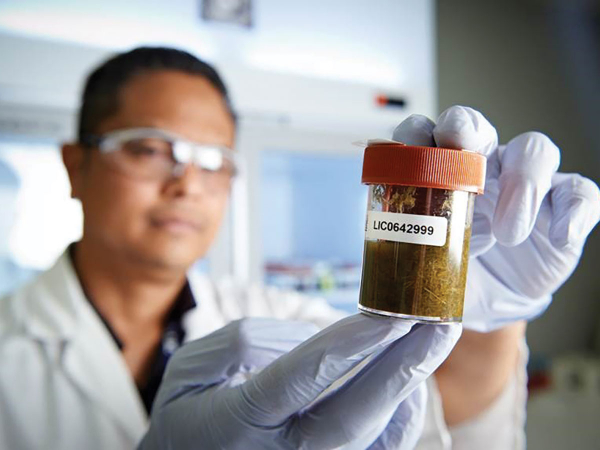 LIC lab technician analysing a farm effluent sample which is tested for bacteria responsible for causing Johne's disease in cows.
The same technology used to detect Covid-19 in wastewater is now being used to help dairy farmers manage Johne's disease in their herd.
Johne's disease is a contagious infection estimated to cost New Zealand more than $40 million in lost production each year.
It is caused by a bacterium which infects the gut of dairy cows and other ruminant animals. Common side effects include lower milk production, difficulty reproducing and rapid weight loss.
Herd improvement co-operative LIC has developed a new test which detects whether the bacteria responsible for Johne's disease is present in a farm's effluent wastewater.
The test is a New Zealand-first for farmers, to help them detect the disease and prevent the spread of it on their farm, protecting the health and wellbeing of their animals.
LIC chief scientist Richard Spelman says, similar to Covid-19 wastewater testing, this test is a surveillance measure.
"We developed this test because Johne's disease is common in dairy cows but it can be difficult to detect. Infected animals often don't show physical symptoms of the disease, meanwhile their milk production can drop and they spread the infection to others," he explains.
Spelman says the new test provides farmers with a cost-effective way to screen their herd for Johne's disease and to use this information to determine whether individual animal testing is required.
"It's important that farmers have a range of tools available to help them produce the most sustainable, productive and effective animals, and this new effluent test is another tool they can add to their toolbox."
The test comprises of four samples taken from different areas of the farm's effluent system.
Similar to Covid-19 testing, where RNA is extracted from wastewater sites and analysed by PCR (polymerase chain reaction), the LIC test extracts DNA from the effluent samples, which are analysed using the same type of PCR test.
Each effluent sample receives a 'detected' or 'not detected' result.
"If Johne's disease bacteria is detected in a sample, we encourage farmers to get each of their cows tested using blood or herd test milk samples to identify carriers of the disease," Spelman explains.
If there is no sign of the bacteria on-farm in the initial effluent test, LIC's research shows the herd is likely to either be currently disease free, or low in disease prevalence.
Annual testing is recommeded so farmers can identify if or when animals start shedding Johne's bacteria into the effluent system.
Spelman says now is an optimal time for most farmers to consider using the effluent test.
"For spring calving farmers, it's best to test from September to December to help ensure the entire herd is captured in the effluent samples."
Farmers can spend less time on paperwork, thanks to a new data sharing agreement between DairyNZ’s DairyBase and LIC’s MINDA software.
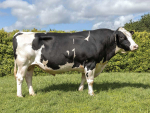
An LIC bull, Tronnoco AR Sadio-ET S3F, bred by Tony and Keri O'Connor of Tronnoco Farming Co Ltd near Timaru, has won the 2026 Mahoe Trophy.
Bovine Viral Diarrhoea (BVD) is estimated to cost New Zealand's dairy and beef industries more than $150 million every year, yet many of the tools needed to control it are already well understood. After more than 25 years in veterinary practice, Andrew Weir, animal health technical specialist at LIC, has seen firsthand the impact BVD can have on herd performance. We asked him about the role of persistently infected (PI) animals and the practical steps farmers can take to reduce their risk.
In the past, a bull could sit comfortably in a breeding team for several years with little change, but today, that’s no longer the case.
Paynes Titus Excelsior ET, an LIC bull bred by Brad Payne and Claire Brodie in the Waikato, has won the JT Thwaites Sire of the Season 2026 Award.

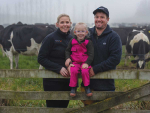
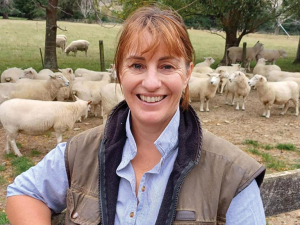
B+LNZ's Wormwise veterinarian Mary Bowron has won the Best Sheep and Beef Vet of the Year Award in recognition of her outstanding contribution to New Zealand’s sheep and beef sector.
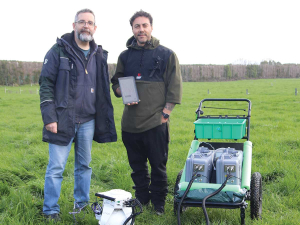
Researchers at Massey University are using a special piece of scientific equipment to improve the measurement of greenhouse gas emissions from pasture soils.
More signs of a booming kiwifruit sector.
OPINION: David Seymour and James Meager's plan to make it easier for farmers and orchardists to operate drones can best be described a 'courageous' move.
New Zealand wool is reaching new heights as air filtration companies move away from synthetic products to biodegradable alternatives.
Opuha Dam's ability to protect South Canterbury communities from major flooding has taken a significant step forward, with Opuha Water Limited (OWL) successfully commissioning a new outlet valve capable of releasing record volumes of water from the dam ahead of a weather event.