Breeder credits late uncle for hair sheep success
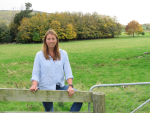
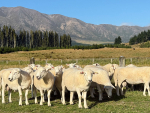
Southland breeder Tim Gow attributes the success of his Shire breed of hair sheep to the expert guidance of his uncle, the late Dr Scott Dolling, who was a prominent Australian animal geneticist.
 increase font size
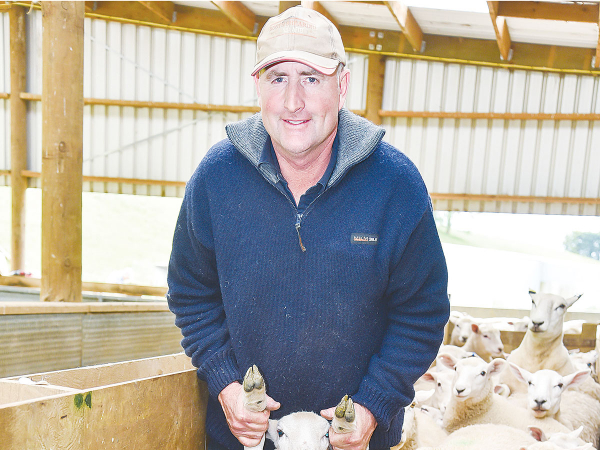 Waimate farmer Tim Mehrtens says he has been pleasantly surprised at the Wiltshire's mothering ability and pre-weaning growth rates.
Continuing poor returns for crossbred wool coupled with the emergence of triple drench resistance is driving an increasing number of sheep farmers to consider making the shift to low-input, no-shear Wiltshires.
Aside from shearing, the costs of crutching, dagging and flystrike are all eliminated with these shedding sheep. Meanwhile, Wiltshires are said to be more resistant and resilient to internal parasites than their wooly counterparts.
Will Pears, stud manager at North Canterbury's Mt Cass Wiltshire stud, says last year's inaugural sale exceeded all expectations in terms of price and interest. He is expecting the same at this year's sale on January 19.
Pears says last year more than 100 buyers from around the country competed strongly for both rams and ewes and feedback from purchasers has been overwhelmingly positive.
One of those buyers was Waimate farmer Tim Mehrtens. He admits it took a leap of faith in buying Wiltshire ewe lambs and rams at the Mt Cass's sale but was rewarded with a good lambing percentage and very good pre-weaning growth rates.
Mehrtens, who farms 215ha of rolling hill country, says the shift to Wiltshire genetics was driven by frustration with poor returns for wool. While he has been buying very good composite ewe lambs, in 2020 the difference between shearing costs and the wool cheque left him $3,500 out of pocket.
The first crop of pure Wiltshire and Wiltshire cross lambs, born last spring, exceeded expectations. Mehrtens says he was pleasantly surprised at the pre-weaning growth rates and their mothering ability.
Forced to wean early due to limited processing space, he says 220 twin male lambs killed out at 17.5 kgCW and a line of Wiltshire cross lambs averaged 17.7 kgCW.
Mehrtens has also noticed that a lot of the first cross lambs have started to shed.
"I'm stoked with the results," he says.
Southland breeder Tim Gow attributes the success of his Shire breed of hair sheep to the expert guidance of his uncle, the late Dr Scott Dolling, who was a prominent Australian animal geneticist.
Research by Massey University scientists shows that a change to self-shedding sheep will be profitable in the long-term.
One of the key speakers at a recent Massey University Wiltshire field day was Marton farmer Richard Morrison.
Of all the projects Massey University's School of Agriculture has been involved in over the years, it's never had such interest as it has in its Wiltshire breeding programme.
The demand for Wiltshire sheep is “incredible and unbelievable”, according to the country’s major breeder of the sheep that sheds its wool.


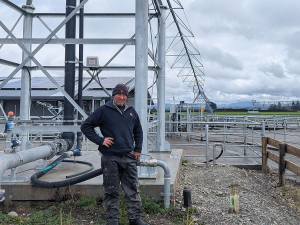
Converting a longstanding cropping farm to dairy was the only way to ensure the land stayed in the family long term, says new dairy farmer Rod May.
As the election heats up, Organics Aotearoa New Zealand (OANZ) has launched its election scorecard designed to help voters wanting to support policies that grow organic and New Zealand's organic sector.
A 'tsunami' of milk from key exporting countries is winding down and this may be good news for New Zealand dairy farmers.
Will the good times last? That's one of the key issues to come out of the latest Federated Farmers confidence survey.
Outgoing Fonterra Co-operative Council chair John Stevenson says that it has been a privilege to represent the co-op's farmer shareholders.
Have a plan in place for your cows and staff.