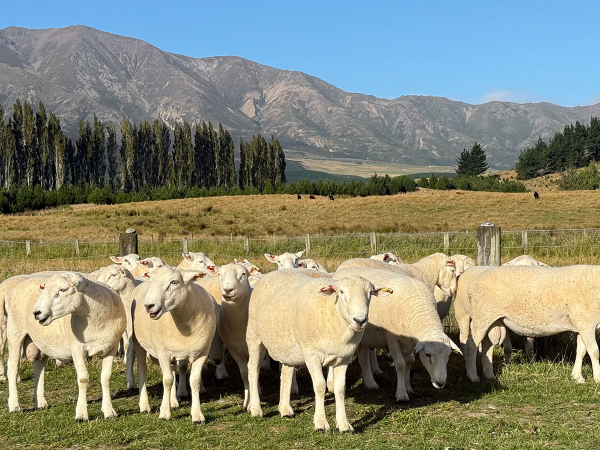
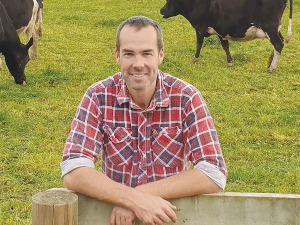
Southland breeder Tim Gow attributes the success of his Shire breed of hair sheep to the expert guidance of his uncle, the late Dr Scott Dolling, who was a prominent Australian animal geneticist.
Gow runs the Mangapiri Downs Organic Stud Farm in Western Southland, which has been fully organic since 1989.
He originally ran mainly Wiltshires, for their hardiness under an organic regime in the Southland winters, but they were messy because of their wool shedding.
“I wasn't a huge fan, but they were a very strong breed,” said Gow.
But when a Wiltshire ewe happened to produce a big strong ram lamb covered in a coarse hair instead of wool, Dolling took an interest, believing it to be an “incredible” throwback to an old Persian breed which the Romans had spread around their empire.
Dolling explained that that was the start of meat breeds in Britain, even though the Britons continued to breed animals for wool. Meanwhile other strains of the Persian ancestor became the German Mutton breed popular in the cold damp conditions of Denmark and Northern Germany, and Dolling encouraged Gow to import them to cross with his hair line though the 1990s.
By 2011, Gow had a stable breed, covered in a coarse hair, which he was able to trademark as the Shire.
“He [Dolling] was confident that would be dominant and come through, and it has.”
Gow says the Shire is very strong, hardy in the snow, wind or rain of the Southland winters, and “great swimmers in floods.”
As Dolling predicted from their origins, they are also very long-lived, a trait Gow has encouraged by breeding old ewes to old rams.
“So, it's got all these advantages. We've got productive ewes at 15 years old that can still produce really good lambs,” said Gow.
“Now we're just at the beginning of licencing out the trademark, so that we can adopt more breeders around New Zealand. And I'm also getting an interest from overseas for them, from South America and Africa.”
He is also selling all over the country and would be hosting a major stock auction on his farm on March 10.
Gow said he was not anti-wool but interest in hair sheep is rising with the current “shocking” state of wool prices.
“We sell ewes at two and a half thousand dollars, and we've sold them all around New Zealand and getting this interest from overseas as well, mainly because they live so long.
“There's been a lot of effort go into breed them and we're not going to give them away.
“They're quite different. They have a silvery look to their hair as well. So, they're quite a stunning looking sheep.”