
AI Egg Counter to Identify Barber’s Pole Worm in Minutes
With drench resistance still a major problem on pastoral farms, reliable ongoing monitoring is a key component of keeping up the fight.
 increase font size
 Getting some post-mortems done on light ewes in your flock can be very helpful.
Scanning is a great time to start identifying and managing groups of ewes based on feeding priorities. Wormwise's Mary Bowron discusses some of the possible reasons ewes lose condition in early winter - and it's not necessarily internal parasites.
A kinder autumn across much of the country has left ewes, on average, which is showing in improved scanning results in earlier-lambing areas.
However, there will still be ewes that have become light in early winter. These girls are at particular risk of poor lambing performance and poor survival. And it's very difficult to get weight back on ewes in the last part of pregnancy, so management decisions about these light girls are an early winter job.
It might. But drenching alone is unlikely to be enough.
In a study on five North Island hill country farms, light ewes that were drenched in early winter lost less weight than their skinny counterparts who were left undrenched. However, both groups of light ewes continued to lose weight - highlighting the need to identify these girls and do something more for them, aside from just drenching.
When ewes are under pressure for feed, have another underlying disease or are not coping with being part of a large mob, they can come under pressure from parasites. The parasites might not be the primary problem.
Getting some postmortems done on light ewes in your flock can be very helpful.
The extended facial eczema season has still wreaked havoc in parts of the country. These light ewes will continue to show up through winter - compromised liver function limits their ability to compete under winter feed conditions. Drench cannot repair burnt liver!
Johne's disease cases can spike if ewes have been under feed pressure earlier in the season. Ewes with Johne's disease can look just like they have worms and it's really important not to lamb these girls - their progeny are likely to be born with Johne's, and the ewes will be a big source of infection to other lambs.
Light ewes frequently have higher faecal egg counts than their better conditioned mates and won't be helping your pasture contamination situation. Especially if you kept extra lambs on in the autumn to take advantage of high prices!
Once you've scanned, you know who's who in your flock, and what their feed priorities are. With those priorities in mind, revisit the feed budget, particularly with the risk of El Niño ahead. Make sure younger multiple-bearing ewes have plenty of feed, while fat single-bearing ewes can be used for clean-up duty. Skinny multiples, especially triplets, are at greatest risk of poor lambing performance. Not lambing the worst of these is a valid option. Making a decision earlier rather than later puts you at a better position at set stocking.
For light ewes that you think are worth persevering with, reducing mob pressure and feeding them better to meet their increasing energy demands in the last month or pregnancy are key. Choosing safer lambing paddocks will also help. If you drench these ewes, make sure they are identified so you can observe which ones respond. Often these light ewes are repeat offenders, so identify these girls and consider culling them at weaning time if they make it that far.
Probably fairly minimal; environmental conditions are not favourable to high development rates from worms in ewes at this time. The risk is low if only a proportion of the flock are drenched with a short acting product, and especially if drenched ewes are also fed better, allowing their immune systems to deal with any parasites left behind and limit shedding of resistant eggs.
With drench resistance still a major problem on pastoral farms, reliable ongoing monitoring is a key component of keeping up the fight.
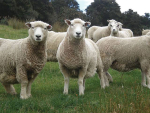
Lamb survival has always been a key driver of sheep farm performance.
Having spent more than 23 years in the New Zealand dairy industry as a dairy farmer, technical adviser, and dairy farm consultant, including seven years working directly with farmers to improve herd performance and profitability, I have learned that outstanding fertility results rarely happen by chance.
Worms are present on every farm; it’s ensuring there are enough worms that are susceptible to drench within your farm system, through the use of refugia, that is a key tool in slowing the rise of drench resistance.
A dairy industry leader believes eradicating the common and costly disease, Bovine Viral Diarrhoea (BVD) is within reach.

Groundswell is welcoming the resignation of Rob Hewett as Farmlands chair, saying the agribusiness leader has made the right call.

Farmlands shareholder directors are urging farmers and growers to vote ahead of the Farmlands AGM 2026, with the deadline to appoint a proxy at 6.30pm this Sunday 22 November.
Lamb survival has always been a key driver of sheep farm performance.
For the second time in three weeks, Fonterra has lifted its farmgate milk price, on the back of soaring milk powder prices.
The 2027 East Coast Farming Expo will continue a decade long tradition in bringing the latest innovation, intriguing speakers, industry leaders and more.
Halter has launched Mav, an AI farming assistant that lets dairy farmers ask questions about their herd and pasture and get answers drawn from the data the company’s collars already collect.