China No Longer Just A Commodity Story - Luxon
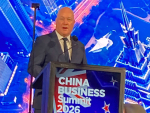
China remains New Zealand’s biggest market, taking $23 billion of our exports, but it’s no longer a commodity story, says Prime Minister Christopher Luxon.
 increase font size
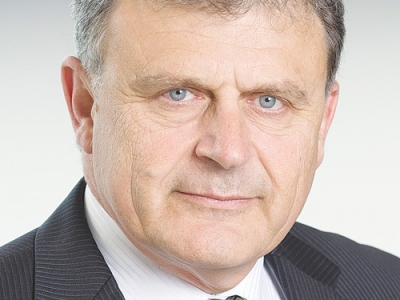 Gary Romano
Contrary to popular belief it's United States investors, not Chinese, who were the biggest buyers of our dairy land during 2013-2014.
In its report 'Overseas Investment in New Zealand's Dairy Land', KPMG analyses foreign direct investment (FID) decisions by the Overseas Investment Office (OIO) during 2013-2014.
It shows that the US was the largest investor in dairy land during that two-year period – accounting for 56% of the freehold hectares sold and 26% of payment for land by foreign investors.
Justin Ensor, KPMG deal advisory partner, says this highlights a common misconception about offshore investment in our dairy farms.
"There is a widespread perception that it's a thin market of Chinese and Hong Kong investors who are buying NZ dairy land," he says. "In reality, though, the market has a broad base of investors."
China accounted for only one of the 24 transactions for dairy land approved by the Overseas Investment Office (OIO). That was the major acquisition of Synlait Farms, which accounted for 12% of hectares sold and 21.3% of money paid.
Earlier this year, the Government rejected an $88 million bid from Pure 100 Farm Ltd, a subsidiary of Chinese-owned Shanghai Pengxin, to buy Lochinver Station because the benefits to NZ were not "substantial and identifiable".
A Shanghai Pengxin-controlled company also recently withdrew from of a $42.7 million deal to buy a cluster of Bay of Islands farms, saying it will not put the sellers through the "frustration and pain" of a Lochinver Station-type experience.
Dakang New Zealand Farm Group, 55% owned by Shanghai Pengxin, applied to the Overseas Investment Office in April this year for consent to buy 3300ha from Northland's Pinny family.
Six months on, the company said it had yet to receive advice that the OIO had considered the sale or made a recommendation to the Government.
Dakang chief executive Gary Romano said the decision to cancel the Pinny sale and purchase agreement was "somewhat" based on the company's experience with its 2014 sale and purchase agreement to buy the Lochinver cattle and sheep station near Taupo.
Key findings from KPMG
China remains New Zealand’s biggest market, taking $23 billion of our exports, but it’s no longer a commodity story, says Prime Minister Christopher Luxon.
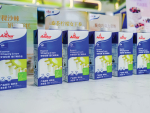
Fonterra is strengthening its foodservice presence in China with the launch of a new cream for professional bakeries at Bakery China 2026 in Shanghai.
According to new research, industry leaders have ranked world-class biodiversity as the number one priority for the 16th year in a row.
OPINION: What does the birth rate in China have to do with stock trading? Just ask a2 Milk Company.
Additional tariffs introduced by the Chinese Government last month on beef imports should favour New Zealand farmers and exporters.


Now in its fourth year, the 2026 Fencing Industry Awards, formed part of the proceedings of the FCANZ Conference, held in Nelson during August.
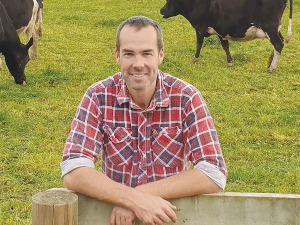
DairyNZ deputy chair Cameron Henderson has been re-appointed unopposed for another term.
OPINION: The stats speak for themselves.
Farms across the upper North Island are trialling different pasture mixes as part of a research programme that aims to build greater resilience into farming systems.
Election years are always a concerning time for farmers, according to DairyNZ chair Tracy Brown.
The Ballance Farm Environment Awards are coming to the West Coast of the South Island.