Seed Companies Say They See the Arable Exodus Coming
Seed and grain companies share the concerns of arable farmers about the viability of their sector, says Seed and Grain New Zealand chief executive Dr Sarah Clark.
 increase font size
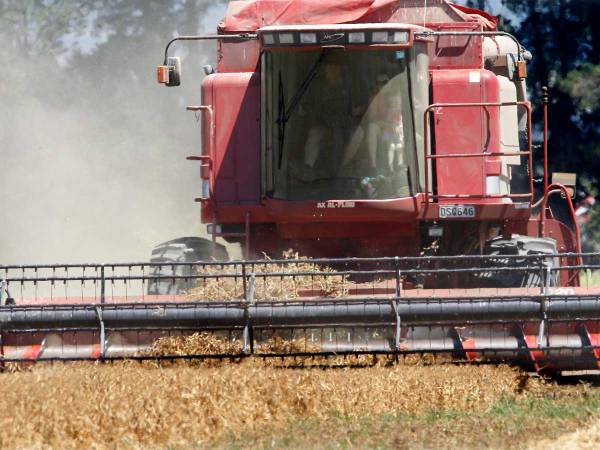
Mid Canterbury Federated Farmers arable chair, Bevan Lill, said Beef + Lamb NZ data indicated that for the last six years, the average arable return on investment was about 0.8% while inflation ran about 4% - so the average arable farm was going backwards at about 3% a year.
“That’s not sustainable in anyone’s imagination.”
Lill said that the seed companies believe they could look to other areas such as Southland for seed production if Canterbury farmers turn away from it.
But that might not be as easy as they think.
“The reality is a Southland sheep and beef farmer has a greater net profit per hectare than I do. So they’re not going to want to change to an arable system that’s less profitable than their current system.
“And the dairy farmers aren’t going to let a seed company push them out of their wintering ground. They’ll pay what’s needed to do the job.”
Lill said the companies were a bit naive in their approach, and the idea that they can go without Canterbury will be found wanting.
“And in the meantime, the Canterbury arable farmers will have moved on.”
Lill said the seed industry has wanted to ignore inflation and had not moved contract pricing “in the necessary direction” for a very long time.
Either they had to share the ‘pie’ more appropriately, or make the pie bigger.
“Either way, more money needs to get back within the farm gate for farmers. Otherwise they will go in search of a better option.”
Lill said his own farm, 400ha near Methven, had a traditional ryegrass seed production focus, alongside spring break crops and autumn-grown wheat. But over the last 10 years he has incorporated more and more trading lambs into the system, now finishing about 6000 lambs.
“That’s become a critical part of our business to the point where I now have about 50ha of the farm that doesn’t go through the combine. It’s planted in kale, forage crops,
and there’s an area of potatoes as well.”
Seed and grain companies share the concerns of arable farmers about the viability of their sector, says Seed and Grain New Zealand chief executive Dr Sarah Clark.

For the first time in a quarter of a century, Federated Farmers has something positive to say about the Labour Party’s climate change policy leading into a general election.
A warning for New Zealand seed and grain companies – be prepared for an exodus of farmers from the arable sector.
Gareth Hale is the current custodian of a 160-year legacy that saw his great grandfather dairying in Taranaki since the mid-1850s and grandfather dairying in the Waikato from the early 1900s.
Rural leader Mark Hooper has been appointed as an independent director to the NZPork board, bringing extensive farming, governance and advocacy experience to the role.


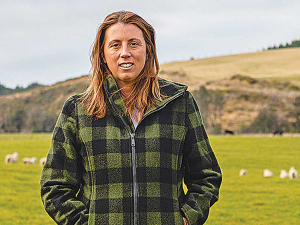
Red meat farmers are welcoming Labour’s plan to review the Emissions Trading Scheme and not to campaign on pricing agricultural emissions.
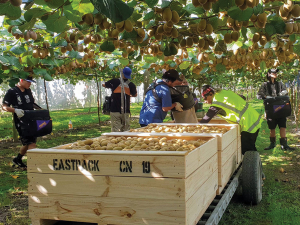
Where any worker in the kiwifruit industry is mistreated, we expect the authorities to take action.
Mid Canterbury Federated Farmers arable chair, Bevan Lill, said Beef + Lamb NZ data indicated that for the last six years, the average arable return on investment was about 0.8% while inflation ran about 4% - so the average arable farm was going backwards at about 3% a year.
Seed and grain companies share the concerns of arable farmers about the viability of their sector, says Seed and Grain New Zealand chief executive Dr Sarah Clark.
The New Zealand Institute of Forestry (NZIF) says unnecessary changes to New Zealand’s Emissions Trading Scheme (NZ ETS) will seriously erode investor confidence and result in significant reductions in forest planting rates.
For the first time in a quarter of a century, Federated Farmers has something positive to say about the Labour Party’s climate change policy leading into a general election.