Bags a major recycling problem
New Zealand agriculture’s effort to recycle its waste plastic is a good news story.
 increase font size
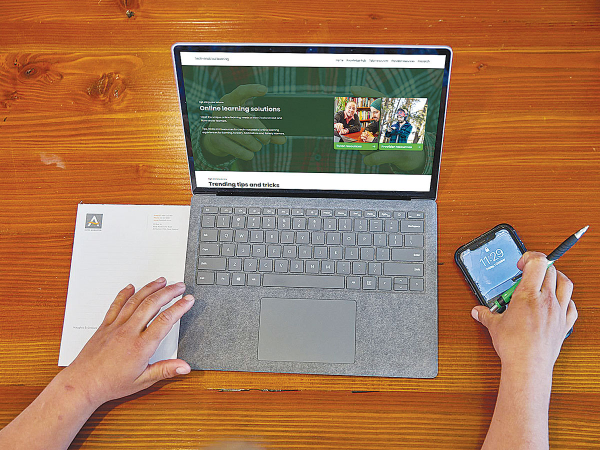 techenabledlearning.nz is providing technology-enabled learning resources and information to educators and providers in the primary sector.
A new website is providing technology-enabled learning resources and information to educators and providers in the primary sector.
The website www.techenabledlearning.nz has been developed from the experiences of teaching staff and learning in NZ's food and fibre sector. It is funded by the Tertiary Education Commission (TEC) and supported by the Food and Fibre Centre for Vocational Excellence (FFCoVE).
The threat posed by Covid-19 to the primary sectors led to the formation of the technology-enabled learning project, which was the start of a process that has resulted in this website. Research analytics specialist, Scarlatti, was commissioned to run the project, in conjunction with Dairy Training NZ, Wintec and the Primary ITO.
The project was designed to capture the experiences of the staff and students of training organisations delivering Vocational Education and Training for the primary sector. The aim was to better understand the role of technology during lockdown, its unique needs and how technologically-enabled learning experiences could be enhanced in future.
An original focus was to find new modes of training and how to best support the attraction and retention of workers displaced from other industries. However, the direction and outputs of the project was informed by the initial research and the managers, tutors and learners interviewed who brought their own experiences of the lockdown levels.
Paul Hollings, general manager of the Food and Fibre CoVE, says the information gathered during the project was too good not to use in a meaningful way.
"There is a danger when a research project is done that it ends up in a report that is not widely circulated. The whole idea with this website was to actually make that information accessible to those who needed it."
Hollings adds that while the website is designed specifically for New Zealand Primary Industry tutors and providers, it is relevant to all tutors and providers across the vocational education and training sector.
“Given the rural setting of the industries making it up, we have genuine problems around connectivity in the food and fibre sector and the site addresses that by identifying areas of good and bad connectivity and providing work around ideas,” he explains.
Tutors have the ability to create their own toolkit of resources that they feel are suitable to them. An interactive dashboard is available to find out what the research says about technology-enabled learning in the food and fibre sector. Education providers are also given information on how to implement effective learning solutions. There is also a calculator for return on investments, a connectivity map highlighting areas of poor reception, and practical tips for infrastructure.
New Zealand agriculture’s effort to recycle its waste plastic is a good news story.
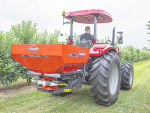
Kuhn says it has updated its MDS range of fertiliser spreaders, which offer farmers more options and provide machines that can be upgraded as their farming situation changes – without the need to buy a whole new spreader.
Despite increased commodity prices, many farmers are feeling the pinch as costs like fuel, fertiliser and freight continue to rise.
The John Deere 6R will deliver more power, precision agriculture technology and manoeuverability to New Zealand farmers, according to the company’s Australia/New Zealand production system manager, Steph Gersekowski.
The Massey Ferguson 5700 DYNA-4 is the latest addition to the company’s Global Series range of tractors.

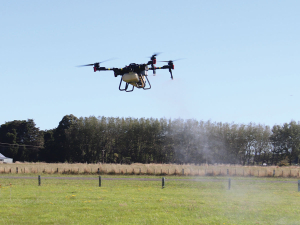
OPINION: David Seymour and James Meager's plan to make it easier for farmers and orchardists to operate drones can best be described a 'courageous' move.
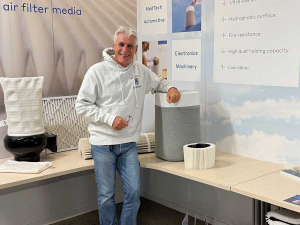
New Zealand wool is reaching new heights as air filtration companies move away from synthetic products to biodegradable alternatives.
Opuha Dam's ability to protect South Canterbury communities from major flooding has taken a significant step forward, with Opuha Water Limited (OWL) successfully commissioning a new outlet valve capable of releasing record volumes of water from the dam ahead of a weather event.
There's been widespread support from the primary sector for the Government's announcement on changes to freshwater farm plans that come under the Natural Environment Bill, which is now set to replace the existing RMA.
A partnership between state-owned enterprise Pāmu (Landcorp Farming Limited) and charity Meet the Need is putting more than quality New Zealand beef into food bank parcels this year.
The Opportunity Party has faced criticism during the election campaign that its policies are too urban-focused and offer little for rural communities.