NZ Catchment Groups Thrive with ‘Source to Sea’ Approach
The most successful catchment groups in NZ are those that have 'a source to sea' approach.




 increase font size
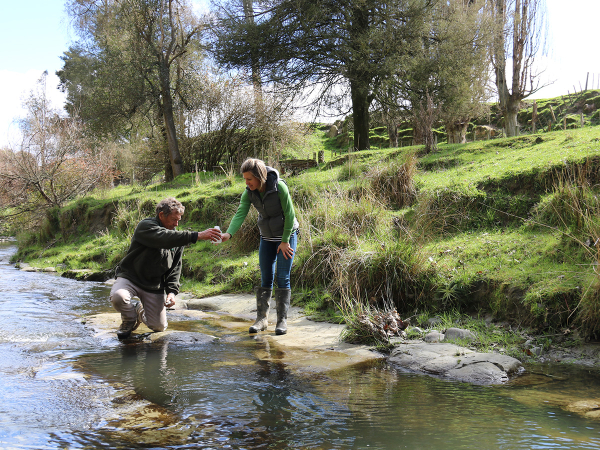
Rangitikei Rivers Catchment Collective (RRCC) chairperson Roger Dalrymple says farmers in his region are taking a national lead in water quality awareness and monitoring.
RRCC now supports 24 sub-catchment groups and more than 110 water-quality monitoring sites across the Rangitīkei, Turakina and Whangaehu river catchments – a network that continues to grow.
Established in 2017, the farmer led RRCC is focussed on understanding and improving water quality and ecology in local waterways.
Landowners have consistently sampled river and stream sites, on a monthly basis, for between one and seven years, with newer sites continuing to be added, creating one of the most robust and comprehensive long-term freshwater datasets in the Horizons Region.
Sampling tracks key water quality indicators of suspended fine sediment (turbidity), nutrients (ammoniacal nitrogen, nitrate nitrogen and dissolved reactive phosphorous), and pathogens (E. coli). This data provides a valuable picture of stream health in catchments that were previously largely unmonitored.
“Parts of the Rangitīkei River and its tributaries are popular with anglers for their clear waters and abundant rainbow trout population, and our monitoring helps us understand what’s supporting that,” Dalrymple says.
Supported by Ministry for Primary Industries Catchment Extension Services Funding, all monthly samples are analysed by Central Environment Laboratories in Palmerston North, with independent assessment of the results by Traverse Environmental. Results are compared between sites and against National Policy Statement for Freshwater Management attributes and Horizons One Plan targets.
This provides landowners with a clear picture of how their local streams are tracking.
Overall, plant-available nitrogen and phosphorus concentrations suggest a generally low risk of nuisance periphyton growth across many mainstem and tributary sites.
However, the monitoring results also revealed some unexpected finding . Several “reference sites” – with predominantly natural land cover – did not meet One Plan targets for suspended fine sediment and plant available phosphorus.
This has also been found in some other New Zealand waterways and indicates that elevated dissolved reactive phosphorous (DRP) is not always solely related to land use. Urban run-off, road run-off, wastewater, natural geology, legacy soil disturbance, forestry and land conversion all play important roles depending on the area. In the Rangitīkei catchment, elevated DRP is likely influenced in part by the naturally phosphate-enriched soft sedimentary and volcanic geology, soils, and natural erosion processes of the Rangitīkei.
Monitoring results for E. coli, an indicator of the potential presence of nasty pathogens such as Campylobacter, show that many sites are suitable for swimming during dry weather conditions when this is likely to occur. However, there are also some sites that are sometimes impacted, highlighting that, while progress is being made, there is still work to do to improve water quality in parts of the catchment.
Dalrymple says none of this work would be possible without support from the Ministry for Primary Industries, Horizons Regional Council, and – most importantly – the commitment of local landowners.
“Dedication from our landowners is helping us all better understand the true condition of our waterways and where we can make meaningful improvements.”
The most successful catchment groups in NZ are those that have 'a source to sea' approach.
The quest to find innovative practical, scientific solutions to deal with water-related issues at a catchment level has been the theme of an important conference at Massey University last week.
Environment Southland's catchment improvement funding is once again available for innovative landowners in need of a boost to get their project going.
From nitrogen limits to ecosystem restoration –farmers and catchment groups are leading a new wave of environmental care, says DairyNZ.
A new toolkit to help the development of capability and education for catchment leaders and coordinators has been unveiled.

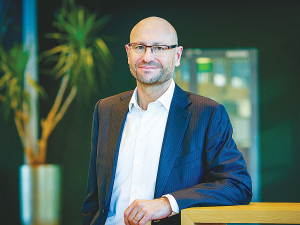
Farmer-owned fertiliser company, Ballance Agri Nutrients is welcoming National’s plan to negotiate security agreements with key supplier countries to protect New Zealand-bound products from export restrictions and greater supply chain certainty.
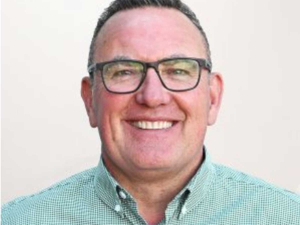
Carrfields has announced the appointment of Stu Hall to the newly created role of chief operating officer, Carrfields Ltd, reflecting the continued growth of their agribusinesses and the need to ensure the company has the leadership capacity and support in place as it pursues the emerging opportunities ahead.
New Zealand's role is not to compete with Indian growers, according to NZ Apples and Pears.
The potato industry is celebrating the success of two rising stars - James Blair, the 2026 Young Grower of the Year and runner-up and innovation award winner, Amber Davy.
Twenty-eight emerging leaders from across the horticulture sector spent two days last month learning valuable skills and connecting with industry experts.
There are five entrants in this year’s Young Horticulturist of the Year, competing in a series of technical, practical, business and leadership challenges.



OPINION: The same mainstream media muppets that brought you Jacindamania in 2017 have been flat out pimping for the Opportunities…
OPINION: Your old mate reckons the atrocious way farmers in the UK are treated by their lords and masters in…




