A Bay of Plenty truffle company is sharing the secrets of the industry in a bid to get landowners growing ‘black diamonds’ across the country.
Ohiwa Black Diamond Truffles is receiving more than $155,000 of Government funding over the next three years to share its knowledge with interested growers so New Zealand can grow enough truffles for a robust export industry.
The business is also researching and developing new truffle products that incorporate the health benefits of truffles with traditional Māori rongoā (healing).
The business is run by Ohiwa-based couple Matui Hudson and Annette Munday. Since partnering with the Ministry for Primary Industries (MPI) through the Sustainable Food and Fibre Futures fund last year, they have held three workshops on truffle growing, with more lined up over the coming weeks.
“We’ve already received orders for around 10,000 inoculated truffle seedlings from several hapū, and we’ve helped a Kawhia whānau set up their truffière,” says Munday.
“We’d like to see Māori land trusts and farmers around New Zealand growing truffles on unproductive land. It’s an opportunity to make money out of land with poor soil, and could offer a side-line income for farmers if they planted seedlings beside trees used for riparian planting, for example.”
Truffles can fetch between $2500 and $3500 per kilogram, and set-up costs per hectare for growing truffles range between $35,000 and $70,000.
Munday says each tree is capable of yielding 200 grams to one kilogram in well managed plantations.
“The truffles on our Ohiwa plantation are grown beside oak and hazelnut trees, but pinus pinea trees are also suitable. To grow effectively, truffles need soil with a high level of alkaline,” she says.
“We’ve been trialling growing spores under New Zealand natives but have found their root syste doesn’t support truffle growth – although we’re still experimenting.”
The company has been working with Callaghan Innovation to develop a liquid truffle extract that can be used in face creams and other beauty products.
“It’s claimed that truffles have anti-ageing and anti-oxidant properties, so we’re looking to tap into that,” says Munday.
“We’re also working with a New Zealand chef on a premium truffle paste.”
Ohiwa Black Diamond Truffles sells fresh truffles to some of New Zealand’s top chefs and restaurants but aims to export overseas in the near future, she says.
Steve Penno, director of investment programmes at MPI, says expanding the truffle industry in New Zealand could create new jobs for Kiwis.
“The truffle industry has significant export potential as New Zealand businesses are currently unable to keep up with overseas demand,” says Penno.
“Growers could potentially earn significant sales revenue from the eventual harvest of truffles on often marginally productive land.”
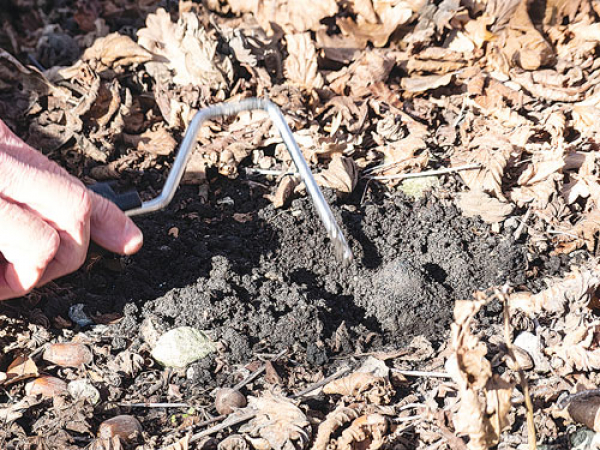
Truffle hunting season commences this month, using trained dogs to sniff out the truffles. Members of the public are invited to join in the fun at one of Ohiwa Black Diamonds Truffles’ public hunts.