
AHAP Progress Report Shows NZ Horticulture Building Real Momentum
According to a progress report on the Aotearoa Horticulture Action Plan (AHAP), New Zealand's horticulture sector is making real progress on the big issues facing growers.




 increase font size
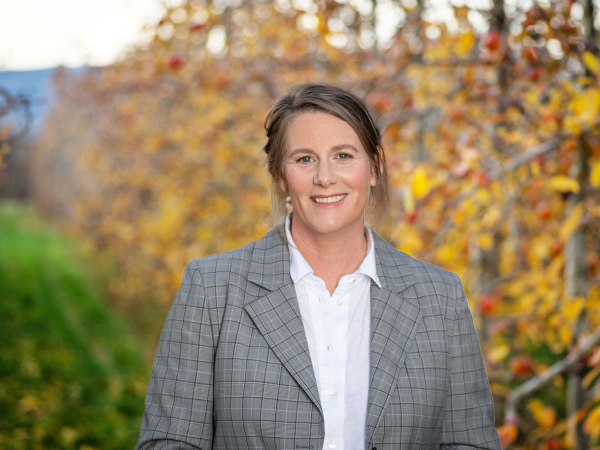 HortNZ chief executive Kate Scott.
The horticulture sector is under threat because of vulnerabilities of the country's transport infrastructure, according to a report commissioned by a collective representing a range of groups in the sector.
The report says the largest growing regions for horticulture production are the Bay of Plenty and Hawke's Bay and says both are heavily export focused and that infrastructure failures in these regions could cost NZ billions of dollars.
The report also notes that Gisborne and Northland are major producers as well and most of what they produce goes out of their regions to other parts of the country or overseas.
HortNZ chief executive Kate Scott says in Gisborne, only 18% and Northland, a mere 4% of produce packed in the regions is also distributed in the regions.
That means, she says, that inter-regional transport links are particularly critical, but both have primary transport routes that are vulnerable to disruption.
"The most recent example of this was the closure in February, due to slips, of Waiokea Gorge, SH2 between Gisborne and Bay of Plenty, which supports up to $112m of produce movement out of the Gisborne region. Closures like this have significant impacts on growers," she says.
Scott says fresh produce can move four or more times between paddock and consumer, including packhouse, wholesaler, distribution centre, and retailer, and transport disruption at any point can compromise quality.
Other vulnerabilities highlighted in the study include that Auckland is the main distribution point for fruit and vegetables for the domestic market but there are limited alternative routes to move produce through the city during disruptions, such as extreme weather events.
"Safeguarding critical transport routes and reducing the risk of cascading delays are central to protecting shelf life, meeting market requirements, and ensuring the best possible returns for growers and the New Zealand economy," says Scott.
According to a progress report on the Aotearoa Horticulture Action Plan (AHAP), New Zealand's horticulture sector is making real progress on the big issues facing growers.
Agriculture Minister Todd McClay has admitted that a scheme bringing workers from Pacific nations to work on orchards has become too hard to navigate but says changes are coming.
OPINION: Central Hawke's Bay farmer Mark Warren recently told the Hawke's Bay Times it's time for a conversation about allowing skilled and properly equipped locals to help councils clear debris and reopen roads after severe weather events.
Horticulture NZ says the funding boost to improve state highway resilience will support growers and strengthen the transport links they rely on to get produce to market.
Horticulture New Zealand (HortNZ) is inviting applications for scholarships places on its 2026 Leadership Programme.



Ravensdown shareholders have elected Jane Montgomery and Kate Acland to the Ravensdown Board for three-year terms, following a closely contested director election.

Federated Farmers says new legislation replacing the Resource Management Act will cut red tape, unlock investment and help grow New Zealand's export-led economy, after the Planning Bill and Natural Environment Bill passed their third reading in Parliament yesterday.
Leading figures from the major political parties will be questioned on their primary sector policies at the Rural Issues Debate at Mystery Creek Events Centre, Hamilton, on 30 September.
OPINION: Have a plan in place now!
Beef + Lamb New Zealand (B+LNZ) says it welcomes the passage of the Natural Environment Bill and Planning Bill, calling the bills a positive step for sheep and beef farmers.
A spate of southerly winds bringing cold temperatures has presented challenges for Taranaki dairy farmers.





OPINION: The same mainstream media muppets that brought you Jacindamania in 2017 have been flat out pimping for the Opportunities…
OPINION: Your old mate reckons the atrocious way farmers in the UK are treated by their lords and masters in…




