Fonterra's New Roadmap Targets Climate, Nature, Animals
Climate, nature and animal wellbeing make up Fonterra's refreshed sustainability roadmap released last week.
 increase font size
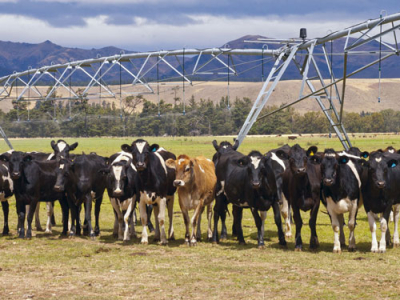
Following the conclusion of the Zero Carbon Bill consultation process, it has become clear that the local agriculture sector is likely to be included in the Emissions Trading Scheme (ETS).
So says Crowe Horwath’s agribusiness specialist, Sean Bennett.
While there is still debate on which of the three proposed Zero-Carbon Bill options will be applied, there are obvious benefits to be gained for farm businesses in establishing appropriate tree plantings, or retiring certain land areas to offset possible future emission liabilities, he says.
"Obligations of the ETS will also bring opportunities for farmers and it is vital the new policy is understood by those set to be impacted, including farmers,” he says.
“Farmers should ensure they are positioned to capitalise on opportunities, document their carbon footprint, and compare it to data on plant and lab-based alternate proteins.
“When we can accurately measure what we have on-farm, and wrap the right story around carbon neutrality, we can then effectively take that to market.”
Shane Jones, New Zealand’s Forestry Minister stated the government wants to “fix the ETS to make it more streamlined, accessible and flexible and give users more confidence and certainty,” Jones admits there has not been clear, consistent information around the ETS, further commenting “one of the proposed improvements is a consistent, transparent way of making a decision about the supply of ETS units.”
Current policy supports shelter and erosion planting as a method to create carbon credits.
“If farmers can build on programs already in place by becoming more strategic with plantings, there is potential for farm businesses to create another income stream,” says Bennett.
Assessing your exact carbon neutrality score requires input from carbon specialists, however, there are methods to develop a rule of thumb understanding of how individual farm businesses rank in carbon neutrality – 12ha of pines, willow or poplar trees/1000 sheep, or 5.7ha/100 beef cattle and 8.7ha/100 dairy cows are carbon neutral.
“Most sheep and beef farm businesses we have assessed have proved to be carbon positive or well on the way to being so,” says Bennett.
“Sheep and beef farmers have an easier road to being carbon neutral, with latest figures showing that 24% of natural vegetation is on sheep and beef farms. There will be a point where we need to work alongside the dairy industry, as all agri sectors will be grouped together from a legislative perspective.”
With significant gains to be made from the ETS, Bennett urges farmers to take the time to educate themselves on their carbon position and consider how they can use it to their advantage. “If used correctly, it is an instrument that can add real value to your farming business.”
Climate, nature and animal wellbeing make up Fonterra's refreshed sustainability roadmap released last week.
A five-year study has found that the cost of reducing emissions without technology may be significant and unsustainable for Northland dairy farmers.
OPINION: With the winter months officially here, I trust all is well at your place.
OPINION: The global crusade against fossil fuel is gaining momentum in some regions.
Specialist horticulture and viticulture weather forecasters Metris says the incoming Cyclone Vaianu is likely to impact growers across the country.
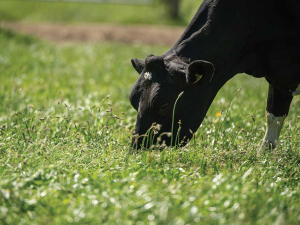
Farms across the upper North Island are trialling different pasture mixes as part of a research programme that aims to build greater resilience into farming systems.
Election years are always a concerning time for farmers, according to DairyNZ chair Tracy Brown.
The Ballance Farm Environment Awards are coming to the West Coast of the South Island.
Most dairy regions around the country have had a pretty good season so far says Tracy Brown.
Rural leader Mark Hooper has been appointed as an independent director to the NZPork board, bringing extensive farming, governance and advocacy experience to the role.